
Author

China’s Sanctions And A New Dimension In Global Politics
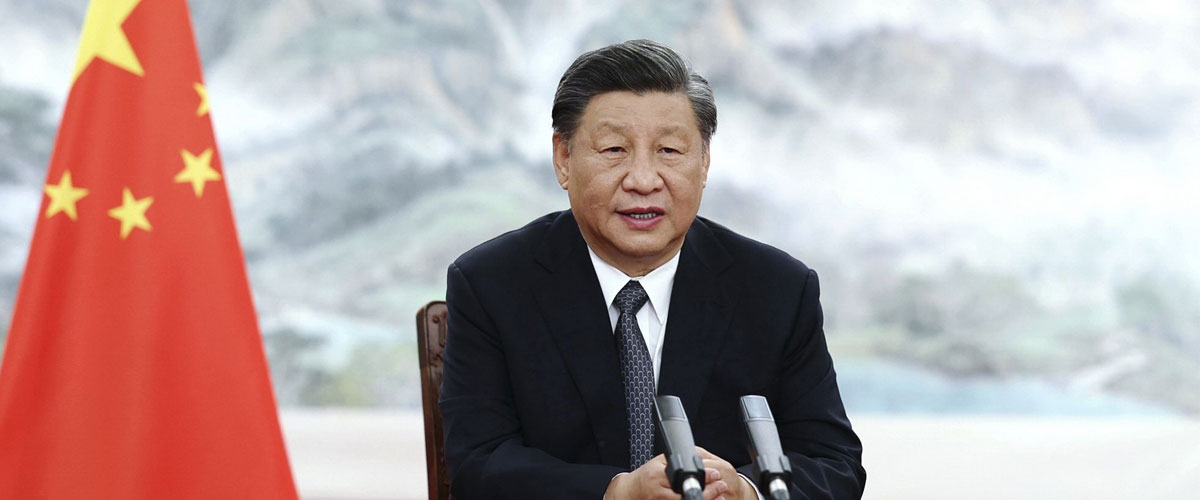
China has recently announced sanctions against 20 American defense companies and 10 individuals involved in the sale of weapons to Taiwan. This move marks a new chapter of tension in relations with Washington and is likely to have visible repercussions at the global level as well.
The primary objective of China’s action is to warn the United States to limit its military activities concerning Taiwan. In Beijing’s view, Taiwan is an inseparable part of China, and any external interference is unacceptable. The United States, however, regards arms sales as a matter of defense and global balance, and remains determined to provide Taiwan with what it considers necessary support for its self-defense.
These sanctions could further strain U.S.–China relations. Arms manufacturers may suffer financial losses and see their positions in the global market affected, while pressure may also increase on the U.S. government to respond appropriately to China’s move. Washington may choose to counter Beijing’s sanctions through economic and diplomatic channels.
The impact of these sanctions will also be felt globally. Questions may arise over the military balance in the Asia-Pacific region, prompting other countries to reassess their defense partnerships. Moreover, pressure could mount on the global investment and trade environment, as China and the United States are the world’s two largest economies, and any tension between them poses risks to global markets.
This situation highlights a new and complex dimension of global politics. Issues such as arms sales and military cooperation between the United States and China affect not only the two countries but the entire world. In such circumstances, it is essential for the international community and other countries in the region to remain cautious and strive to maintain balance.
In conclusion, it would not be inappropriate to say that China’s sanctions are both a warning and a glimpse into a new struggle for power in global politics. In the coming days, it will be interesting to see how Washington responds to this challenge and whether it succeeds in maintaining balance at the global level.