
Author

When Allies Clash: Pakistan’s Problem With The Saudi-Iran Crisis
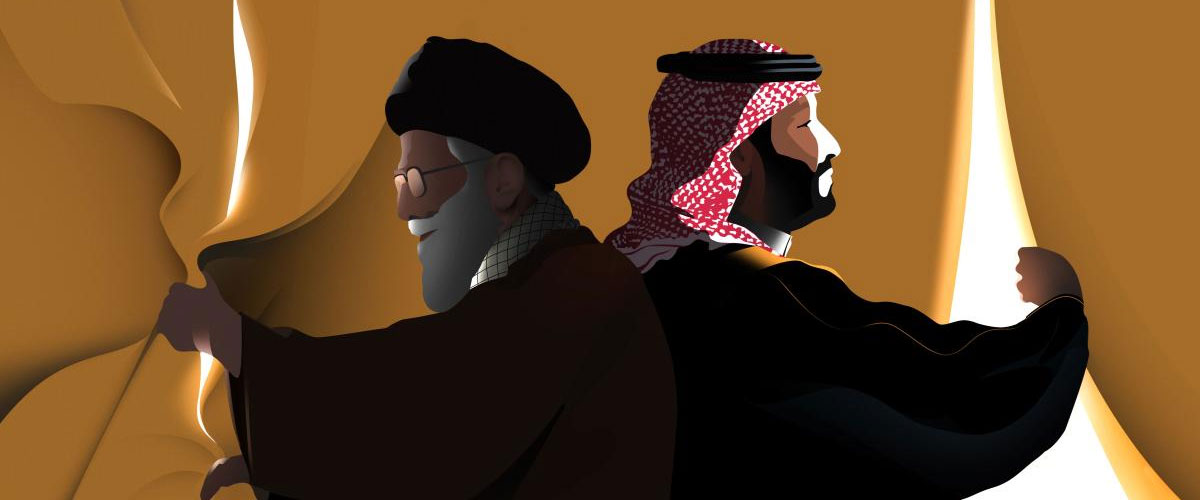
Islamabad: Pakistan’s military Chief, Field Marshal Asim Munir met Saudi Defense Minister, Prince Khalid Bin Salman in Saudi Arabia last week. The two leaders, “discussed the joint measures needed to halt them {the Iranian drones and missiles attacks on Saudi Arabia) within the framework of Strategic Mutual Defense Agreement” signed a few months back between Pakistan and the Kingdom. Since the signing of the Mutual Defense Agreement, an intense debate has emerged in Pakistan’s political and media circles.
The central question is simple: how would Pakistan react if Saudi Arabia were attacked by another Muslim country such as Iran? This is exactly what happened in the wake of Israel-US joint attack on Iran, as the latter responded by lobbing ballistic missiles and sending drones into the territory of nine Muslim countries, including Saudi Arabia–countries in the region which host American military presence,
Pakistan’s military establishment appears to be clearly in a difficult situation. This difficult situation has three elements: first, Pakistan sees survival of the Iranian regime in its strategic interests. Second, Public opinion at home is highly supportive of Muslim Iran against Christian US and Jewish Israel. Third, Pakistan has a treaty obligation towards Saudi Arabia. These three factors pull Pakistanis in opposing directions.
Pakistan’s military leaders appear to perceive the survival of the Iranian regime in the face of Israel-US attacks as a guarantee of security of Southwestern borders. Secondly, Pakistani public opinion is highly charged in favor of the Iranian regime. Now when Saudi Arabia is incessantly under Iranian ballistic missiles and drones’ attacks, it would be politically very difficult for Pakistan to intervene in this situation in support of Saudi Arabia.
But militarily, Pakistani experts believe, the task of handling the Iranian threat would be much easier. It is not that Saudi Arabia doesn’t perceive a threat from Israel. It certainly does as was evident when Pak-Saudi Mutual Defense Agreement was signed within days of Israeli air strikes against Qatar’s capital, Doha.
So If Saudi Arabia is attacked by Israel, Pakistani experts say, the situation will be politically very easy but militarily very destructive.
Not surprisingly, Field Marshal Asim Munir and Saudi Defense Minister, Khalid Bin Salman, “expressed hope and desire that brotherly country Iran would manifest prudence and sagacity to avoid any miscalculation and strengthen the hands of friendly countries seeking peaceful settlement of the crisis”. This indicates a clear desire on the part of leaders of both the countries that they don’t want to fight a war with Iran.
Or in other words, they don’t want to be seen as joining forces with the Israel-US combine and becoming part of the process of destruction of a Muslim society.
There is a strong strain of thought in Saudi diplomatic and political thinking that views management of inter-state threats to be a function of diplomacy. I remember reading a piece by Saudi commentator, at the time of signing of Pak-Saudi Mutual Defense Agreement, that stated specifically that Israeli threat could be managed through diplomacy and alliances. The same writer said that Saudis were at good terms with India and could help mitigate Indian threat for Pakistan
In the wake of Iran’s attacks on Saudi Arabia, Pakistani diplomacy did two things. Pakistan primarily conveyed Saudi assurance to Iran that it will not allow its soil to be used for any attacks against Iran. while simultaneously, Pakistan conveyed a warning to Tehran that any aggression against Saudi Arabia will trigger the activation of Pak-Saudi Mutual Defense Agreement.
Saudi’s real security nightmare are Shia militias operating from Yemen, Iraq and Lebanon. To deal with such a threat Pakistani land forces are a perfect choice. Saudi Arabia has never been a state with a desire to project military power on a grand scale in the region. True it buys large amounts of weapons from the US on a regular basis, but the fear of a military coup has never allowed the Saudi Royal family to build a professional military on their territory. Saudi reliance on diplomacy, and that too quiet one, is overwhelming.