
Author

Pakistan And Israel: No More Strategically Irrelevant To Each Other
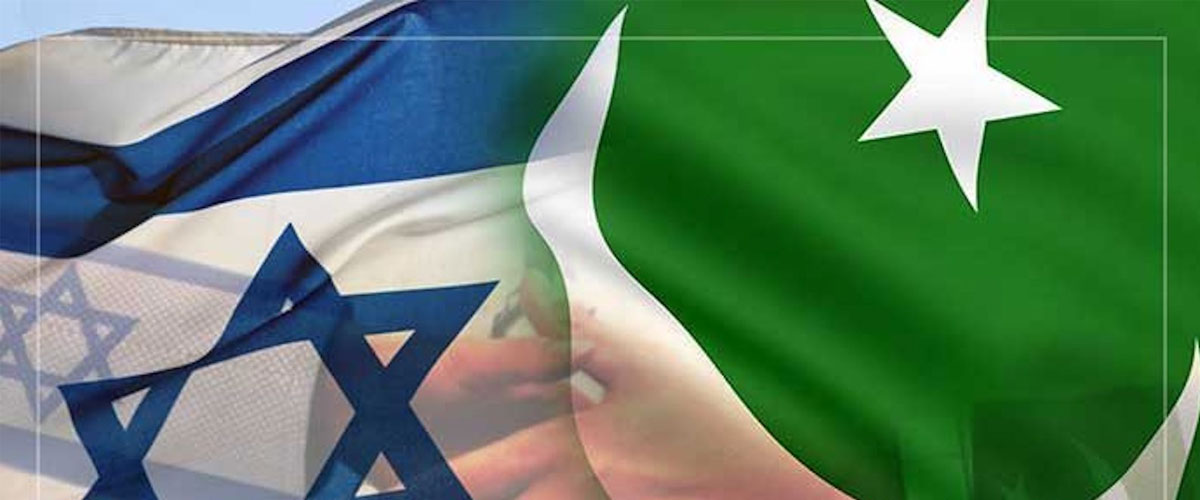
ISLAMABAD: The decades old assumptions that Pakistan and Israel exist in separate strategic worlds primarily because of geography alone are quietly becoming obsolete. The exact physical distance between Pakistan and Israel is approximately 3,500 kilometers– A passenger flight from Karachi to Tel Av-iv is likely to cover a distance of 3,240 kilometers.Traditionally, this made both the countries militarily irrelevant for each other.
Neither can project military power–land forces to be precise–at such a great distance from home. Not anymore. Several technological, political and strategic developments in the region have made both Israel and Pakistan strategically and military relevant for each other.
Three factors make direct military confrontation a possibility. Firstly, Both states now possess missile and air capabilities that allow them to strike targets thousands of kilometers away.
Pakistan is increasingly assuming the role of net security provider to Saudi Arabia after Pak-Saudi Mutual Defense pact. Israel-India defense cooperation and Israeli military supplies for India. India is Pakistan’s archenemy.
Some Pakistani strategic thinkers fear that a collapse of the Iranian state could indirectly extend Israel’s strategic footprint closer to Pakistan’s western frontier.
The insurgency in Baluchistan is turning bloodier with each passing day with Baloch rebels directly attacking military and government installations across the province. Quoting military officials, Pakistani media accuses Indian intelligence of sponsoring and financing the rebel attacks. Off late, the media has also accused the Israeli Mossad for its linkages with Baloch rebels.
Traditionally the rebelling in Balochistan against the federal government was the forte of Baloch tribal chiefs and their cronies. The latest insurgency which started in 2006 is led by middle class professionals like doctors, engineers and teachers, who are demanding complete independence from Pakistan.
These factors make the situation in Iran a source of extreme worry for Pakistani officialdom. According to Pakistani experts’ understanding, the situation in Iran could transform Iranian society into a civil war if Americans Israelis persist on regime change or as lately claimed by Trump into division of Iran into ethnic conclaves or may be simply a very weak central government in Tehran, which has fragile or no control over its periphery. In January 2026, Iranian clergy led regime faced country wide violent protests which spread to all the 31 provinces of the country.
Even Americans and Israeli experts, expressing their views on international news channels like CNN and BBC (the one I had the opportunity to watch live) express doubts about the ability of military strikes from the air to achieve the objective of regime change. For that US-Israel would have to send millions of ground troops into Iran. Even this would not necessarily lead to regime change. In fact, this would likely turn out to be the bloodiest part of the campaign. A weak or no government would be the result.
Civil war or a weak government in Tehran with no control over the periphery is something which Pakistanis dread. Pakistan’s Southwestern border is adjacent to Iranian Baluchistan, where the ethnic kin of Pakistani Baloch ethnic nationality reside. There have been reports about unrest in Iranian Baluchistan in January this year, which rebounded after the US-Israel attack on Iran. A disturbed Iranian Baluchistan would provide an excellent sanctuary to Pakistan’s Baloch rebel-militant groups.
Pakistan’s military Chief, Field Marshal Asim Munir has been engaging in active military diplomacy in the Persian Gulf area. This diplomacy also took him to Saudi Arabia where the Pakistan government signed a Mutual Defense Agreement making it obligatory on the Pakistani military to come to the defense of the Saudi Kingdom in case it came under attack. This agreement was signed within days of Israeli air strikes on Qatar’s capital, Doha in September 2025, compelling strategic thinkers to relate it with Israeli threat.
Pakistan’s strategic ambitions appear to be expanding at a moment when its domestic foundations are fragile. A country facing economic crisis, political polarization, and two active insurgencies should be cautious about extending its military commitments across the region. Strategic restraint, rather than geopolitical overreach, may be the wiser course.