
Author

Precision VS Persistence in The Israel–Iran War
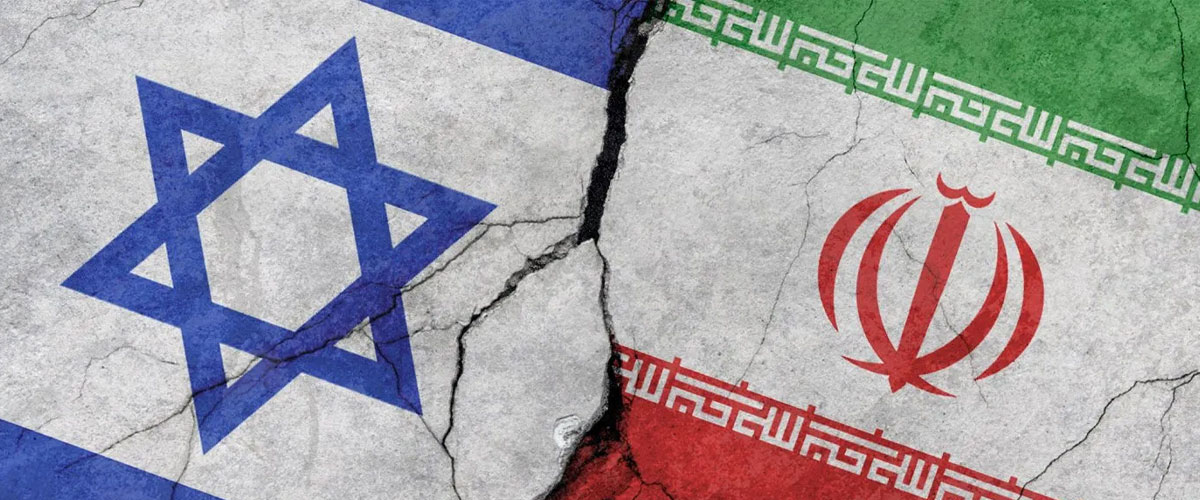
At first glance, this war looks like a decisive victory for Israeli military technology. It is not.”, is a settled question–Precision strikes deep inside Iran, Air dominance, Integrated intelligence and cyber operations and effective missile defense, all this points out that Israelis have fielded better technology in the war.
The Israelis, however, have failed to completely neutralize Iran’s ability to produce and launch long range ballistic missiles and One Way Attack Drones. Reports suggest the frequency of Iranian attacks have substantially decreased, but it has not come to a complete halt.
Iran still has underground facilities to produce missiles and drones on large scale. It can still absorb losses and continue fighting. So, it is not a question of better military technology, it is rather a question of completely different military doctrines–Iran is not trying to match Israel symmetrically.
Instead it uses missile saturation, relies on proxies and regional networks and accepts lower accuracy in exchange for volume and persistence.
Israeli technological superiority stems from its ability to disrupt and downgrade Iranian military capabilities and not from its total dominance of the battlefields in all domains. The military experts point out that Iranian ability to launch hundreds of missiles towards Israeli territory has been substantially reduced. However this has been varied interpreted among the experts–Some of them have described it as a function of American and Israeli success in destroying missile launching pads and production facilities, while others point out that Iran is in the process of preserving its missile inventory for a longer war.
It would be more appropriate to describe this situation not as a battle between superior and inferior military technologies, but rather a contest between two different ways of fighting war. Israelis are using its military technology to dominate battle spaces, whereas Iranians are mass producing missiles and drones for survivability of its military assets. Iran is interested in continuing its war with low cost weapons for a long period. Israel wants to finish off Iranian military capabilities with severe military blows to deprive it of any capabilities in the future to cause trouble. Iran, on the other hand, wants to prolong the war to increase the economic cost of the war for America-Israel and their allies in the region to make war an un-affordable enterprise for them.
Apparent superiority of technology is not leading towards strategic decisiveness. In the 20th century military history we have multiple examples of hi-tech militaries struggling against determined adversaries equipped with inferior military technology. The Russian made S-300 air defense system Iranians are using is of no match to state of the art air defense systems (THAAD, Arrow, Patriot) in use by the Israel. But the fact that Iranian regime refused to cave in despite losing leading figures to Israeli precision strikes speaks volumes about the resilience of Iranian nation.
There is no doubt about the fact that Iranian missile attacks have become less frequent, less intense And more sporadic. This suggest Israeli success in targeting missile launching pads and Success in disrupting Iranian command-and-control. Israeli military-technological superiority doesn’t establish its complete dominance of the war situation in the Middle East for two reasons.
Firstly, Iran has demonstrated the ability to sustain the conflict and secondly, because Iran has shown the ability to increase the economic cost of the war for America-Israel and their allies in the region. What the Iranians are telling the Americans and Israelis is this, “Our military capability might have been degraded, it is not defeated yet”.
Will Israeli military superiority in this war lead to its dominance of the Middle Eastern politics in the future? Its unlikely because military superiority without legitimacy cannot translate into political dominance of the region. Political supremacy or dominance require political legitimacy not just military force. Iranian regime in control of hardline Islamists who have replace moderates like Ali Larijani will more forcefully resist Israel political dominance.
In future Iranian government doesn’t need to win a conventional war to resist Israeli dominance or supremacy. It only needs to survive. The presence of Saudi Arabia and Turkey in the region, which will resist Israeli dominance in the region. The war will strengthen Israeli military superiority in the Middle East. But it will not establish Israeli political supremacy in the region. Political power hardly stems only from technological superiority. It also depends on alliances and political legitimacy, geography, and the ability of adversaries to endure.