Author

American Congress Report — Reality or Fiction
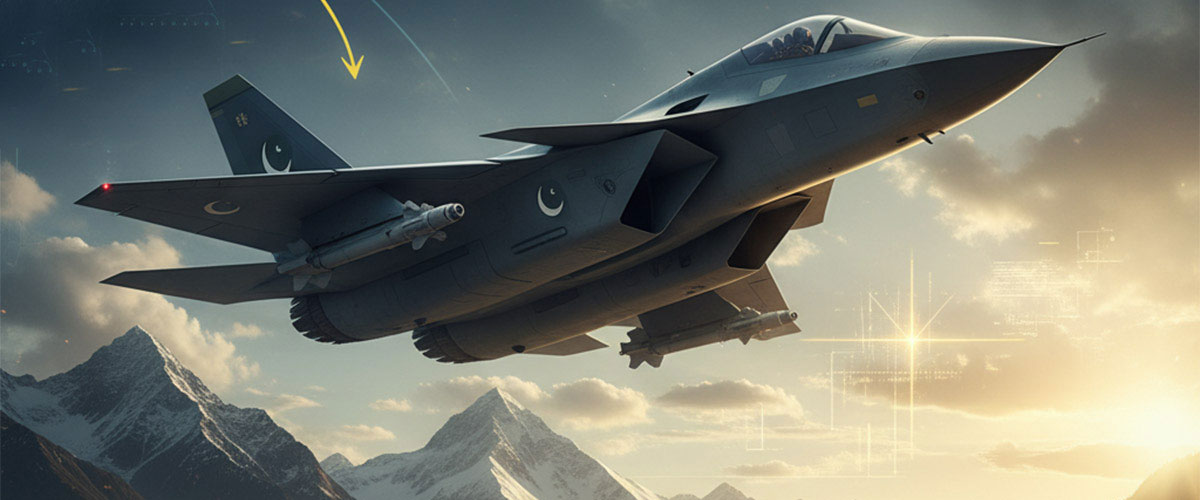
The American Congress report states that Pakistan gained military superiority over India in the May conflict this year, during which China tested its defense systems. The report says that China increased its military cooperation with Pakistan in 2024 and 2025, including joint exercises, counter-terrorism drills, and Pakistan’s multinational peace exercises. According to the report, Pakistan’s performance with Chinese weapons during the four-day skirmish was noteworthy.
The report further states that Pakistan’s targeting of India’s French Rafael jets with the help of Chinese weapons has become a strong argument for the sale of Chinese arms.
According to the report, this was the first time that China’s modern weapons—HQ-9 missile defense system, PL-15 air-to-air missiles, and J-10 fighter jets were used directly in a real conflict, which proved to be a major practical test for China. The report also mentions that in June 2025, China approved the sale of J-35 advanced fighter jets, KJ-500 aircraft, and ballistic missile defense systems to Pakistan.
According to the report, the same month Pakistan announced a 20% increase in the 2025–2026 defense budget, and despite an overall reduction in the national budget, defense spending reached 9 billion dollars.
Now the question is: to what extent can this report affect Pakistan-India and Pakistan-China relations?
Indian officials and the public may view this report as a serious threat. If Pakistan proves effective with China’s modern weapons and intelligence support, it impacts India’s strategic balance. This could further complicate Pakistan-India tensions.
India may accelerate its defense budget and weapons procurement, especially modern technology-based systems such as air defense, advanced fighter jets, and intelligence/radar systems. This can intensify the regional arms race between Pakistan and India.
Pakistan–China military trust will certainly strengthen. Pakistan will feel that China is not only supplying weapons but also supporting it during actual combat. This can draw both countries even closer.
China, after successfully testing its modern defense systems (such as J-10, PL-15, and ballistic defense) with Pakistan, will become more attractive to other countries as an arms supplier. This will enhance China’s defense export plans. For China, this serves as a form of profiling—its weapons have proven effective in real combat situations, presenting China as a strong player among global arms exporters.
On the other hand, such military cooperation and live testing may attract international criticism, especially from countries that see China’s rising military power as a threat (such as the United States and India). This may also exert diplomatic pressure on China-Pakistan relations.
The report is from the U.S. Congress’s China Economic and Security Review Commission, whose primary purpose is to evaluate Chinese threats and investments. Pakistan may face criticism internationally, especially from Western countries. India and its allies may take additional military and diplomatic measures, which can increase future risks.
Increasing the defense budget means Pakistan will have fewer resources for other sectors, especially when the economy is already under pressure. Continued acquisition of advanced Chinese weapons and military cooperation does not only mean financial dependence but also long-term technological and operational reliance, which can limit Pakistan’s strategic options.
What will be the outcome?
Pakistan-China relations are likely to strengthen. Based on the interpretations in the report, mutual military and defense cooperation between Pakistan and China may become more solid, supporting their long-term strategic objectives.
Pakistan-India tensions may become more complex. India may view this as a major threat and escalate its military buildup. Other powerful global actors (like the U.S.) will take this situation seriously, which may have regional and international implications.
Although this is an opportunity for Pakistan and China, there are significant risks as well—economic pressure, diplomatic strain, and future military dependency are challenges that must be considered.