Author

Noctiluca Bloom: A Silent Threat To The Marine Environment
The seas may appear calm and full of life, yet certain natural changes occurring beneath their surface can pose serious threats to marine life. One such important and alarming natural phenomenon is the Noctiluca Bloom, which has been frequently observed in various marine regions of the world in recent years, particularly in the Arabian Sea.
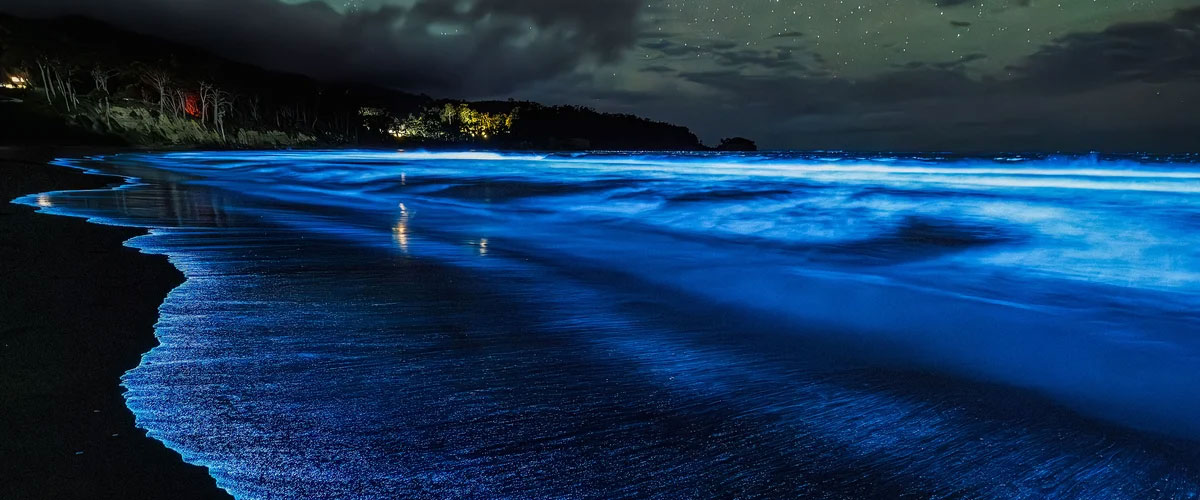
Noctiluca is a type of microscopic marine organism (plankton), scientifically known as Noctiluca scintillas. Under normal conditions, it exists in limited quantities in the ocean, but when its population suddenly increases to a large extent, the phenomenon is referred to as a Noctiluca bloom. During such blooms, the color of seawater may appear green, red, or milky, and at times a glow or bioluminescence can also be seen in the water at night.
According to experts, there are several reasons behind the increase in Noctiluca blooms. Prominent among these are rising sea temperatures, an excess of nutrients in seawater (such as nitrogen and phosphorus), the inflow of industrial and agricultural pollution into the sea, and declining oxygen levels in marine waters. These factors create favorable conditions for Noctiluca, enabling it to spread rapidly. As a result, Noctiluca blooms can prove highly damaging to the marine ecosystem.
Noctiluca consumes large amounts of oxygen present in the water, which can lead to suffocation and death of fish and other marine organisms. The bloom also displaces beneficial plankton, disrupting the food supply of fish, shrimp, and other marine species. Fish mortality and migration caused by such conditions result in severe economic losses for local fishermen. Prolonged Noctiluca blooms can also pose a lasting threat to coral reefs and other fragile forms of marine life.
In recent days, despite the sea turning green due to a Noctiluca bloom near Gwadar, a group of dolphins was observed together, which experts described as a positive sign. According to sources, no reports of fish deaths have emerged despite the bloom, indicating that it is non-toxic in nature. WWF Pakistan states that Noctiluca bloom is a natural seasonal process and has no direct link with pollution. It is commonly known as “sea sparkle,” caused by a small free-floating marine organism called Noctiluca.
Experts further note that Noctiluca blooms typically appear every year during the winter months, from November to February. This year, the bloom began in November and has spread from Karachi to the coast of Balochistan.
The increasing occurrence of Noctiluca blooms in the Arabian Sea is particularly alarming for Pakistan’s coastal regions. The coastal areas of Karachi and Makran are vital not only for fisheries but also for the national economy. If timely attention is not given to this issue, its environmental and economic impacts could be long-lasting.
Possible solutions include strict control over marine pollution, effective management of industrial and agricultural waste, global efforts to mitigate the impacts of climate change, and the strengthening of marine research and monitoring systems. While Noctiluca bloom is a natural phenomenon, human activities have intensified it to dangerous levels. It poses a serious challenge not only to marine life but also to human economic and environmental security. Therefore, it is essential for governments, scientists, and the international community to work together to find sustainable solutions in order to protect marine life and maintain ecological balance in the oceans