Author

Coal Power Plants Encouraging Prosperity or Threatening Pakistan’s Environment?
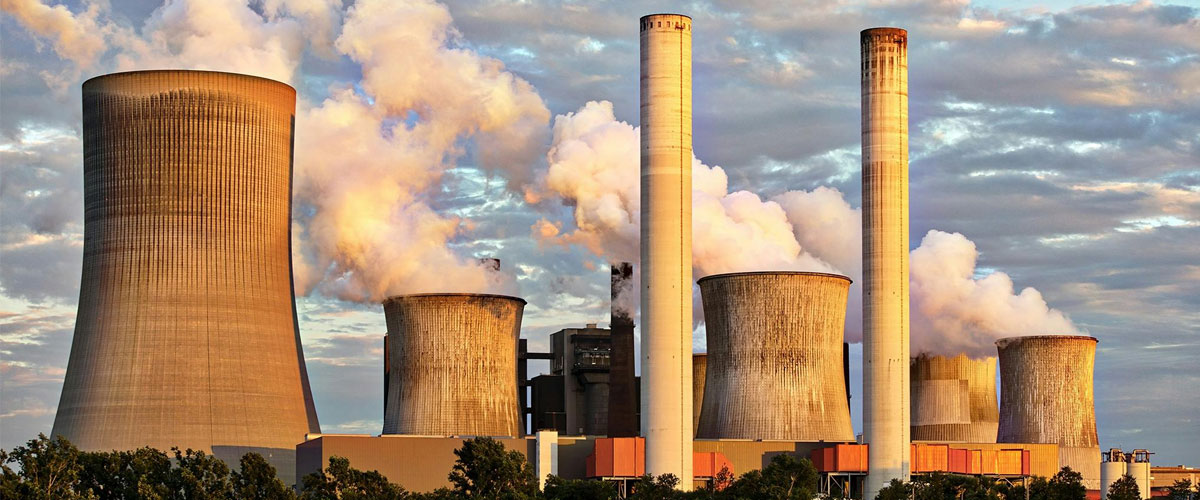
Pakistan’s persistent energy crisis has long been a major obstacle to economic growth. Frequent power shortages, industrial shutdowns, and rising electricity costs have forced successive governments to search for quick and reliable solutions. In this context, coal-fired power plants—particularly those established under the China-Pakistan Economic Corridor (CPEC)—have been promoted as symbols of progress and energy security. Yet, a critical question remains: are coal power plants a pathway to prosperity, or do they pose a serious threat to Pakistan’s environment and public health?
Supporters of coal-based energy argue that it offers Pakistan a dependable and affordable source of electricity. Coal power plants can generate large amounts of energy consistently, unlike hydropower, which depends on water availability, or renewable sources that are weather-dependent.
For an economy striving to stabilize industries, boost exports, and attract foreign investment, uninterrupted power supply is essential. Coal plants have helped reduce load-shedding, supported industrial activity, and created employment opportunities—especially in underdeveloped regions such as Thar, where local coal reserves are being utilized. From this perspective, coal appears to be a practical solution to immediate economic needs.
However, the environmental consequences of coal power cannot be ignored. Coal is one of the most polluting sources of energy. Its combustion releases carbon dioxide, sulfur dioxide, nitrogen oxides, and particulate matter—pollutants that contribute to climate change, smog, acid rain, and respiratory diseases.
Pakistan is already among the countries most vulnerable to climate change, facing floods, heat waves, droughts, and water scarcity. Expanding coal-based energy contradicts global efforts to reduce carbon emissions and undermines Pakistan’s own climate commitments. The long-term environmental damage may far outweigh the short-term economic benefits.
Beyond the environment, coal plants pose serious risks to public health. Communities living near coal power plants often suffer from increased cases of asthma, lung disease, and other health complications. In regions like Thar, concerns have also been raised about groundwater depletion, displacement of local populations, and loss of traditional livelihoods.
Development that comes at the cost of human health and environmental degradation raises an important ethical question: can such development truly be called prosperity?
Globally, the trend is clear. Many developed and developing countries are moving away from coal and investing heavily in renewable energy sources such as solar, wind, and hydropower. These alternatives are becoming cheaper, cleaner, and more sustainable.
Pakistan, with its abundant sunlight, wind corridors, and hydropower potential, is well-positioned to make this transition. Continued reliance on coal risks locking the country into outdated technology while the rest of the world moves forward.
The debate, therefore, is not simply about choosing between development and the environment. The real challenge lies in balancing economic growth with environmental responsibility. While coal power plants may have played a role in addressing immediate energy shortages, they should not define Pakistan’s long-term energy strategy.
Investing in renewable energy, improving energy efficiency, and adopting cleaner technologies can provide sustainable growth without compromising the environment. Economic progress that destroys natural resources and endangers public health is neither sustainable nor just.
Coal power plants in Pakistan may symbolize short-term relief and industrial stability, but they also represent a long-term environmental and health risk. True prosperity lies not in quick fixes but in forward-looking policies that ensure economic development, environmental protection, and public well-being go hand in hand.
The question Pakistan must answer is not whether coal can produce electricity—but whether it can produce a future worth living in.