Author

US Freezes Immigrant Visa Processing For 75 Countries
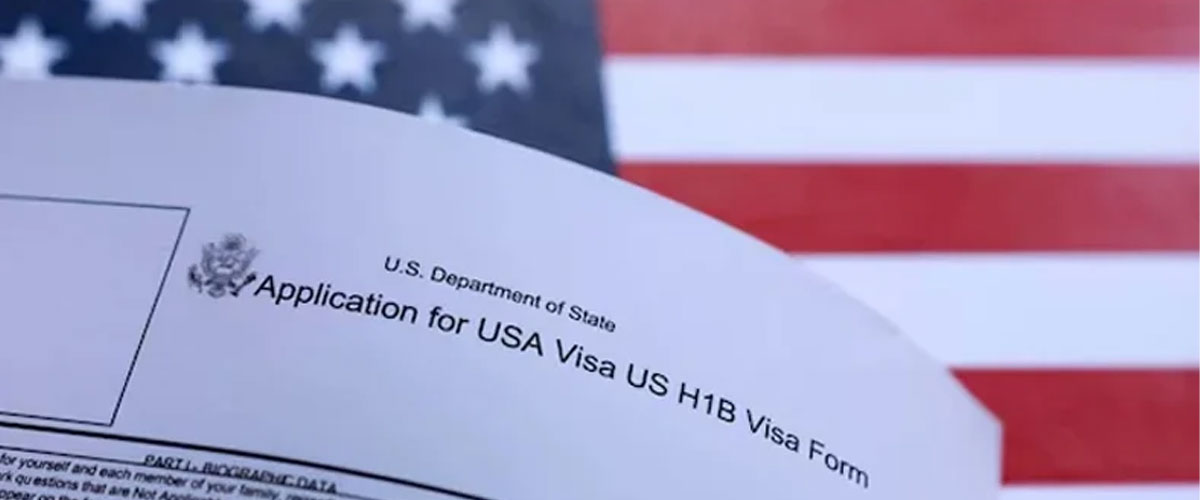
US Freezes Immigrant Visa Processing for 75 Countries, Pakistan Included
‘It was such an internal exercise conducted with a degree of sanctity and secrecy that even the US Embassy in Pakistan was not aware of it’
The United States has paused immigrant visa processing for nationals of 75 countries, including Pakistan, in a move that officials say is aimed at preventing long-term reliance on public welfare systems. The suspension, announced through internal State Department directives (secured first by Fox News) and later confirmed publicly, applies only to immigrant visa categories that lead to permanent residence and does not affect tourist, student or short-term work visas.
According to the State Department, the decision is grounded in existing “public charge” provisions of US immigration law, which allow consular officers to deny visas to applicants deemed likely to depend on government assistance. Officials argue that migrants from the affected countries have, in aggregate, shown higher rates of welfare usage after arrival, prompting a temporary halt while screening procedures are reassessed.
The list spans multiple regions and income groups, covering countries in South Asia, Africa, the Middle East, Latin America and Eastern Europe. Pakistan’s inclusion has drawn particular attention, given its long-standing security cooperation with Washington and the size of its diaspora in the United States.
State Department spokespersons have framed the move as an administrative enforcement exercise rather than a political sanction, saying the pause will remain in place until new safeguards are implemented to ensure incoming immigrants are financially self-sufficient. No formal timeline has been given for when processing might resume.
Behind the scenes, however, diplomatic sources suggest the picture is less settled than the public messaging implies.
A senior official in diplomatic circles, speaking on condition of anonymity because of the sensitivity of internal deliberations, said the decision emerged from a tightly held internal review that even some US missions abroad were not briefed on in advance.
“It was such an internal exercise conducted with a degree of sanctity and secrecy that the State Department is still reviewing the details. Even the US Embassy in Pakistan was not aware of it,” the official said.
The source stressed that the freeze applies exclusively to immigrant visas, particularly family-based categories, and that the list of countries remains under review for some cases.
“Everything is still in the air. For some countries there might be a review,” the official added.
According to the source, internal discussions have focused heavily on settlement patterns rather than migration flows in general. The concern, the official said, is the cumulative strain placed on state-level welfare and healthcare systems by long-term dependents.
“The debate internally is about strain – family settlements, older applicants, obesity-related illnesses and chronic conditions that fall directly on an already stressed healthcare system,” the official said.
US officials have not released detailed country-specific data to substantiate the claims of disproportionate welfare usage, a point that immigration analysts say will likely attract legal and political scrutiny in the coming weeks. Under US law, factors such as age, health, financial resources and family support can be weighed when assessing whether an applicant may become a public charge.
For Pakistan, the immediate impact is expected to be felt most acutely among families already deep into the immigration pipeline. Family reunification cases, which often involve elderly parents sponsored by US-based children, are likely to face the longest delays.
So far, Pakistan’s Foreign Office has not issued a formal public response, though officials privately acknowledge concern over the lack of prior consultation.
The visa freeze also fits into a broader tightening of US immigration policy wherein federal agencies have expanded visa revocations, stepped up removals and re-empowered consular officers to apply stricter admissibility standards.
Economists and migration scholars, however, caution that long-term fiscal impacts of immigrants vary widely and often improve over time, particularly among family-based migrants whose working-age relatives already contribute to the tax base.
Whether Pakistan and other affected countries will seek formal reviews remains unclear. Diplomatic channels are expected to be engaged quietly rather than through public protest, especially given indications that the list is not necessarily final.
For now, immigrant visa applicants from Pakistan face an indefinite wait, with consular processing suspended and little clarity on next steps