Author

Nipah Virus: A Silent But Deadly Threat
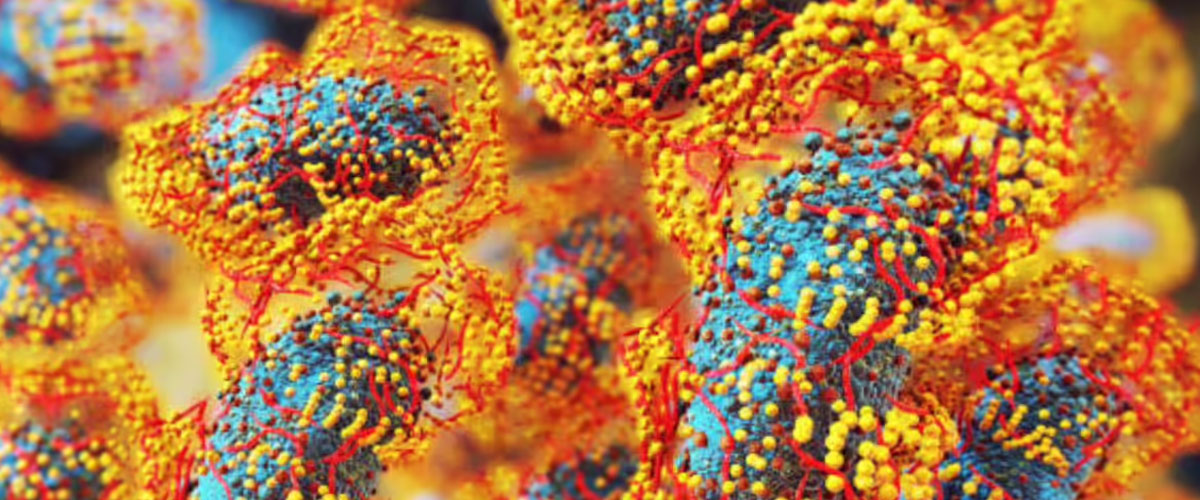
The world has entered an era of epidemics in which, every few years, a new virus emerges as a warning bell for global health. While the coronavirus shook the entire world, it also drew attention to several other dangerous diseases and viruses. Among them is the Nipah Virus, which may not be widely known among the general public, but health experts consider it one of the potential deadly outbreaks of the future.
Nipah virus is a highly lethal pathogen that spreads from animals to humans and rapidly causes brain inflammation and severe respiratory illness. The most frightening feature of this virus is its high fatality rate, which has been recorded as high as 70 percent in some outbreaks.
Nipah virus belongs to the Paramyxoviridae family and is a zoonotic virus, meaning it is transmitted from animals to humans. Medical research shows that its natural host is fruit-eating bats, also known as “Flying Foxes.”
When the virus enters the human body, the patient initially develops common symptoms such as fever and weakness. However, within a few days, the disease can take a dangerous turn. Infected individuals may experience severe headaches, difficulty breathing, mental confusion, and brain inflammation. In some cases, the patient falls into a coma and death may occur.
Nipah virus first emerged in 1998 in Malaysia. The outbreak spread in a village called Sungai Nipah, where a large number of pig farmers were infected. The virus was named after this region.
Research revealed that the outbreak originated from fruit bats. The virus was first transmitted to pigs and then spread to humans who came into contact with infected animals. During this outbreak, approximately 265 people were infected, and more than 100 lost their lives. To contain the disease, thousands of pigs were culled in Malaysia, highlighting the seriousness of the situation.
There are three major sources of Nipah virus transmission. Humans can become infected through fruits or food contaminated with bat saliva or droppings. The virus is also transmitted through animals, especially pigs. Moreover, it can spread from human to human, particularly through close contact and while caring for infected patients. This is why outbreaks in Bangladesh and India reported more cases of human-to-human transmission.
Later, Nipah virus cases were also reported in several other countries, particularly Bangladesh, India (especially Kerala), and Singapore. In Bangladesh, the virus often spread through date palm sap, which bats contaminated. In parts of Kerala, India, outbreaks in 2018 and subsequent years created widespread fear and panic.
Unfortunately, there is still no specific treatment or approved vaccine available for Nipah virus. Patients are only provided with supportive medical care such as oxygen, fever management, and intensive care facilities. Therefore, precaution, timely diagnosis, and monitoring remain the strongest defense against this virus.
The World Health Organization (WHO) has included Nipah virus among the diseases that could potentially become a future global pandemic. This is due to its deadly fatality rate, its ability to spread among humans, and the ongoing risk of transmission from animals.
Experts believe that deforestation, population growth, and human interference in natural wildlife habitats are major factors increasing the spread of viruses like Nipah.
Nipah virus is a silent but extremely deadly threat, first appearing in Malaysia in 1998 and later spreading to several South Asian countries. Although it has not yet become a global pandemic, its dangerous nature serves as a clear warning to the world that preparedness and research against future outbreaks must not be neglected. Public awareness, medical surveillance, and global-level research are the only ways through which we can prevent a major tragedy in the future.