Author

ISIS-Khorasan: A Comprehensive Analytical Perspective on Its Origins
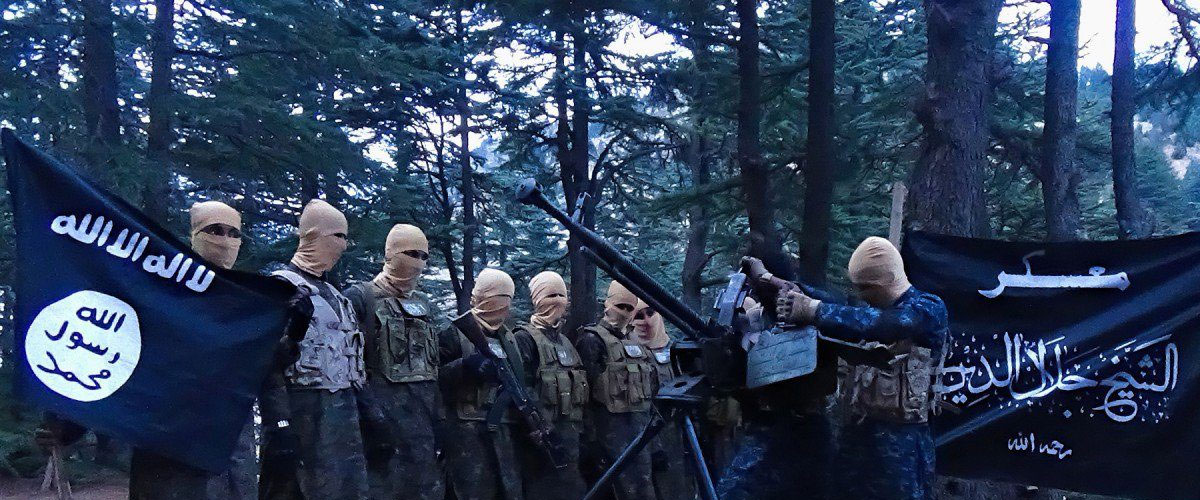
ISLAMABAD: Pakistan’s security scene is becoming more and more complex with each passing day. In the North West the rivalry between Tehrik-e-Taliban Pakistan (TTP) and ISIS-Khorasan poses a serious dilemma for Pakistani security planners. This dilemma becomes a complex security problem in the light of assessments of some western experts that TTP and Afghan Taliban played a major role in weakening ISIS-Khorasan in Pakistan and Afghanistan.
Since American withdrawal from Afghanistan Afghan Taliban and their allied group,Afghan Taliban have conducted counterinsurgency campaigns against ISIS-K in Afghanistan and even Russian President Putin admitted that Afghan Taliban have succeeded in squeezing the space for ISIS-K in Pak-Afghan border areas.
Not Long ago Pakistani experts admitted that Afghan Taliban government was also facing a dilemma vis-à-vis its policy towards TTP and ISIS-K. There were even fears in Pakistan that if TTP was pressed harder by Afghan Taliban, the TTP leadership might join hands with ISIS-Khorasan.
First signs that ISIS-K is getting stronger in Pakistan emerged when on February 7, 2024 a day before parliamentary elections, ISIS carried out two terror attacks in Balochistan—a region where ISIS-K’s presence is heaviest.
Pakistani commentators started to analyze the situation as leading to reemergence of ISIS-K as a big terror threat on Pakistani territory.
According to Pakistani experts, before these attacks the operational momentum in Pakistan was falling. ISIS-K carried out fewer terror attacks in Pakistan in 2023 than the total number of its attacks in 2022. Last time this decline was reported in 2016 when the US military present in Afghanistan and the Afghan National Army under the supervision of US military was putting a lot of pressure on ISIS-K, which was then based in Eastern Afghanistan, close to the Pakistani border.
Heavy bombing by the US Air force and Afghan National Army dislocated ISIS-K from their base in Eastern Afghanistan. This was the time when ISIS-K fighters started tracking their way into Pakistani territory. ISIS-K was founded by TTP, al Qaeda, and Taliban fighters as an offshoot of their mother organizations in 2014.
The group primarily operates in Afghanistan, where it is engaged in a violent insurgency against the Taliban, and in Pakistan’s KPK, Balochistan, and, to a lesser extent, Punjab provinces.
In Pakistan, a further split took place when Pakistani members of ISIS-K started to operate separately with the name of Islamic State-Pakistan Province (ISPP). This group engages in anti-Shia and anti-non-Muslim attacks in and around Quetta and Peshawar.
Daesh has had an organizational presence in Pakistan since 2016 but after Taliban regimes heavy crackdown against Daesh in Afghanistan many of its members and fighters have started tracking their way into Pak-Afghan border areas and Baluchistan.
During the last decade the military operation in North Waziristan by the Pakistan military succeeded in eradicating TTP terror networks in tribal areas. The operation had on one hand achieved the stated objectives of the Government of Pakistan but at the same time, it drove these terrorist groups to look at other sources of inspiration and resources to sustain their terrorist activities. According to experts many of the arrested Daesh and TTP members have claimed that hundreds of TTP fighters have defected and joined ISIS.
In late September 2014, a pamphlet from the self-proclaimed Caliphate was distributed amongst Afghan refugees in Pakistan demanding them to pledge allegiance to ISIS. The Government of Pakistan had consistently been in denial vis-à-vis the presence of ISIS/Dash in Pakistan but when ISIS claimed responsibility for the Karachi bus attack that killed 43 passengers, it confirmed its presence in Pakistan.
ISIS-K, on the other hand is targeting Shia targets as well targets associated with religious groups sympathetic towards Afghan Taliban and TTP. On July 30 last year ISIS-K conducted a suicide bombing at an election rally of Jamiat Ulema-e-Islam Fazl, killing at least 54 people, including a regional JUI-F leader.
According to Pakistani experts the ultimate goal in Pakistan is to overthrow the Pakistani government and to install the Caliphate in its place and then carry out terror attacks in Europe and the United States. However, military experts are of the opinion that ISIS-K doesn’t pose any serious military threat to the state of Pakistan. However, it can seriously disrupt the civic life in the country.