Author

High Stakes, Low Trust: Islamabad Struggles to Bridge US-Iran Divide
ISLAMABAD: Pakistan’s Interior Minister, Mohsin Naqvi and US Chargé d’Affaires to Pakistan, Natalie Baker reviewed the diplomatic efforts undertaken so far to hold second round of Tehran-Washington talks in Islamabad.
The meeting was held in Islamabad on Thursday in which the two officials exchanged notes on the diplomatic efforts undertaken by all sides to hold in the second round of Islamabad talks.
In a statement the interior ministry said that during the “important meeting”, Naqvi and Baker exchanged detailed views on the latest regional situation and discussed diplomatic efforts regarding the possible second round of US-Iran negotiations in Islamabad.
Pakistani interior minister commended US President Donald Trump’s initiative to extend the ceasefire, calling it a “welcome development” that made significant progress towards reducing tensions.
“We also hope for positive progress from Iran’s side,” the interior minister was quoted as saying.
The meeting emphasised the need for continuity in diplomatic channels for a lasting resolution to the conflict.
According to the ministry, the minister told Baker that Prime Minister Shehbaz Sharif and Chief of Defence Forces (CDF) Field Marshal Asim Munir were making “all-out efforts at every level” to resolve the issue.
“It is hoped that both parties will give a chance to a diplomatic and peaceful solution,” Naqvi said.
The second round of negotiations has been delayed due to continued friction between the two countries, particularly regarding Iran’s closure of the Strait of Hormuz and the US blockade of Iran’s ports.
As the ceasefire extension created space for further diplomacy, Trump on Wednesday hoped a second round of talks could take place within two to three days, despite persistent mistrust.
When asked about the possibility of a second round of talks, Baqaei replied, “Diplomacy is a tool to secure national interests and security, and whenever we conclude that the necessary and logical groundwork is in place to use this tool for realising national interests and consolidating the Iranian nation’s achievements in frustrating enemies from achieving their sinister goals, we will take action.”
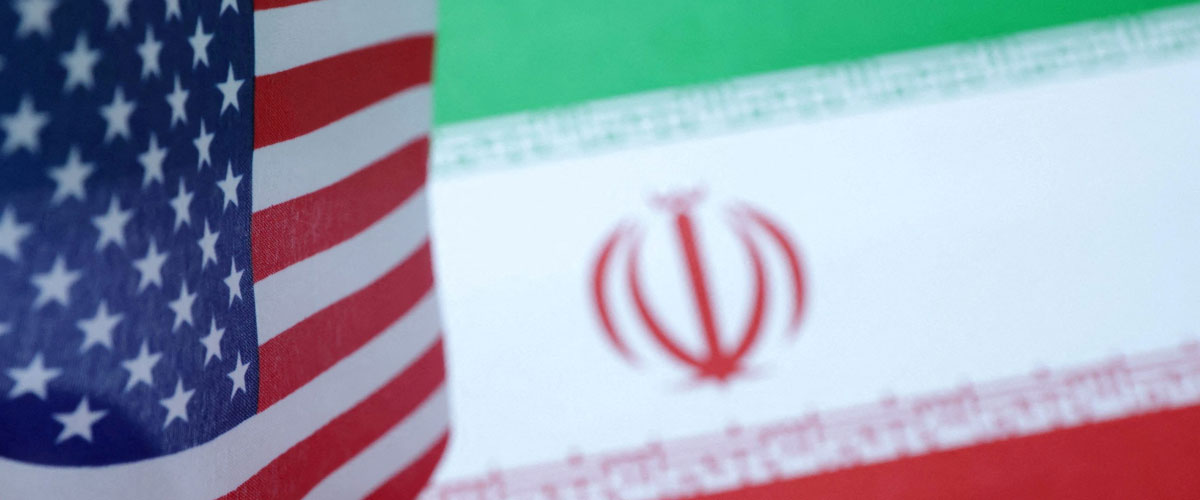
The first round of historic direct US-Iran talks was held in Islamabad on April 11 and 12, following a Pakistan-brokered ceasefire on April 8. It ended without an agreement, but also without a breakdown.
The U.S. wants major upfront concessions: limits on Iran’s nuclear program, monitoring, and broader regional restraint. Iran demands sanctions relief, asset unfreezing, and an end to military pressure first.