Author

Pakistan Rejects Claims of Sharing Iran Nuclear Information With US
ISLAMABAD: Pakistani Foreign Office (FO) has rejected reports in the western media that Deputy Prime Minister and Foreign Minister Ishaq Dar shared any information regarding Iran’s nuclear program during a meeting with United States Secretary of State Marco Rubio.
Foreign Minister Dar met with Rubio on May 29 during a brief visit to Washington, where the two discussed bilateral cooperation as well as regional security issues. Rubio had praised Islamabad’s role “in advancing peace in the Middle East”.
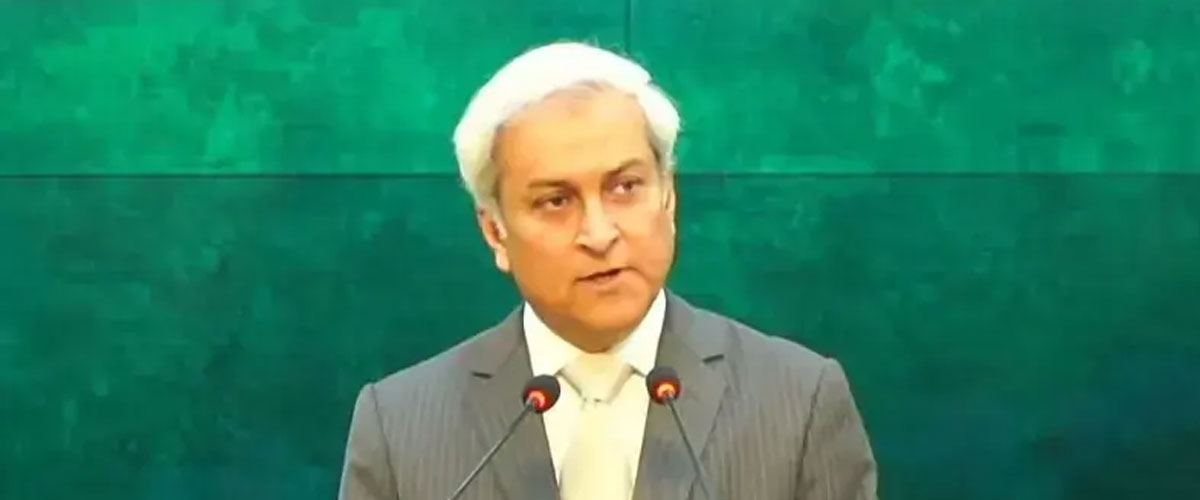
In response to a question during the weekly briefing on Thursday, FO Spokesperson Tahir Andrabi said Pakistan rejected reports of the deputy premier “exchanging any kind of information about Iran’s nuclear programme with US officials”.
“No such information was shared,” he added.
The comment from the Pakistani spokesman came after former Central Intelligence Agency (CIA) analyst Larry Johnson, quoting an unnamed source, claimed that Dar had a conversation with Rubio that “revealed what Iran is prepared to do to preserve its independence”, which allegedly “alarmed” Rubio.
Rubio had also responded to the claims during a congressional hearing on Wednesday. US Congressman Scott Perry asked him if Dar had delivered a message that Iran is “prepared to demonstrate a nuclear weapon should the current escalation continue”.
“I have not seen that report, and I am not aware of any such message,” Rubio responded.
Perry again referred to the reports, to which Rubio said that no such message had been delivered.
“I would be surprised if that message had been relayed. I would be aware of it if it was,” he said.
Pakistani officials including Foreign Minister Ishaq Dar and Field Marshal Asim Munir have been making efforts to bring Iran and the United States to the negotiating tables and in this regard Pakistani officials have been relaying messages between Tehran and Washington.
It was Pakistan which through its efforts have brought about a ceasefire between US and Iranian military after a 40 days of intense war involving US and Israel on the one side and Iran on the other.
Pakistan has been making efforts to stop Iran from attacking oil rich Gulf States in retaliation to US strikes on its territory.
The Pakistani foreign minister has been in constant touch with Gulf state officials and Iran in this regard.
Pakistan has a security pact with Saudi Arabia and recently Pakistani military formations have been deployed on Saudi territory to ward off any military threat.
Pakistani efforts, however, have been focused on bringing a diplomatic resolution of the conflict in Persian Gulf instead of launching a military response to Iranian attacks on oil rich Gulf States which are politically and militarily allied with Pakistan