Author

Islamabad, Doha Push for Diplomacy as US-Iran Conflict Escalates
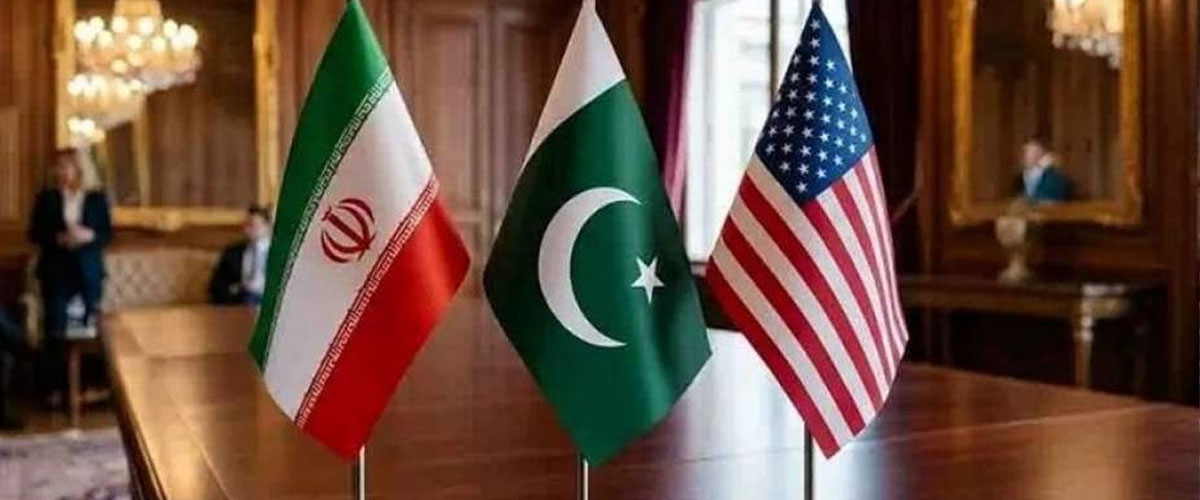
ISLAMABAD: Qatar foreign ministry and Pakistan I leaders are making hectic efforts to salvage the US-Iran peace talks which appears to be falling apart after resumption full scale attacks between the two belligerents.
Pakistani media has reported that Field Marshal Asim Munir have held telephonic conversation with Iranian Foreign Minister Abbas Aragchi to search for a possible way out of this resumption of conflict in Persian Gulf.
A Qatari delegation is visiting Iran in what is believed to be an effort by Doha to consolidate its role as a mediator, after a recent escalation in hostilities in the Gulf, Iran’s semi-official Tasnim news agency reported.
Tasnim says the visit follows what it describes as Qatari accusations against Iran over an alleged incident in the Strait of Hormuz and subsequent US attacks on Iranian military and civilian targets.
A source with knowledge of the situation tells international media that Qatari negotiators are meeting Iranian officials to try and de-escalate tensions and create conditions for broader negotiations, adding that the talks are being conducted in coordination with the United States.
US President Donald Trump says that he has agreed to continue talks with Iran after receiving a request from Tehran.
“The United States has stated to them, in no uncertain terms, that the ceasefire is over!” he writes on Truth Social.
The Egyptian and Qatari foreign ministers have called on the United States and Iran to resume negotiations, as US President Donald Trump says Washington had agreed to continue talks with Tehran but repeated that the ceasefire between the two countries was over.
During a phone call, Egypt’s Badr Abdelatty and Qatari Prime Minister and Foreign Minister Sheikh Mohammed bin Abdulrahman Al Thani “urged all parties to give priority to the language of diplomacy and dialogue and to return to the negotiating table”, Egypt’s foreign ministry says in a statement.
The latest diplomatic push comes after weeks of mounting tensions that culminated in the collapse of the fragile ceasefire between the United States and Iran. Both sides have accused each other of violating commitments made during earlier rounds of negotiations, while renewed military strikes have heightened fears that the conflict could expand across the Gulf region, threatening international shipping lanes and global energy supplies.
Pakistan and Qatar have emerged as key mediators in the crisis because both maintain working relations with Washington as well as Tehran. Islamabad has repeatedly called for a negotiated settlement, warning that a prolonged conflict would destabilise the wider region, while Doha has leveraged its close security partnership with the United States and longstanding diplomatic channels with Iran to facilitate dialogue between the two adversaries.
Diplomatic observers say the renewed mediation efforts will face significant challenges as mutual distrust between Washington and Tehran remains deep despite both sides expressing willingness to keep communication channels open. However, they argue that sustained engagement by regional intermediaries such as Pakistan, Qatar and Egypt could help prevent further military escalation and create space for negotiations aimed at restoring a ceasefire and addressing broader security concerns in the Gulf.