Author

Iran Rules Out US Talks as Strait of Hormuz Shipping Crisis Deepens
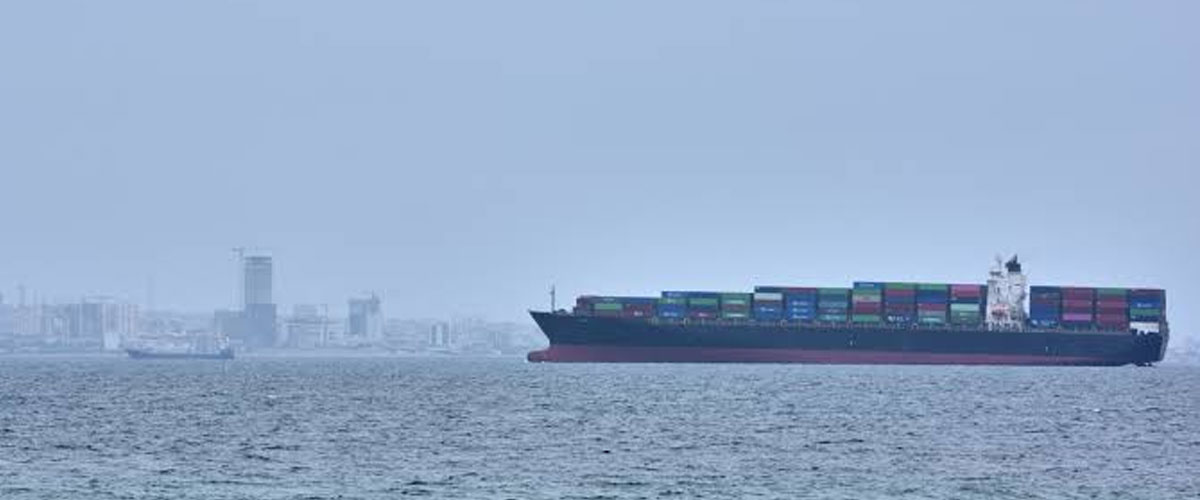
ISLAMABAD: Iran’s foreign ministry spokesperson says Tehran has no plans to engage in talks with the US and is focused solely on defending the country.
Speaking to reporters, Esmail Baqaei says Iran will honour its international commitments only if the US does the same.
“Our commitments remain in effect only as long as the other side fulfils its pledges,” Baghaei stresses, adding that Iran abandoned its commitments under the MoU after the US failed to uphold its side of the temporary agreement.
“After the other party violated its obligations, we also refrained from implementing ours in any area where it was required.
The apparent failure of the US-backed shipping corridor to reassure commercial operators comes as diplomatic prospects between Washington and Tehran continue to deteriorate. Iran’s Foreign Ministry has said it is no longer willing to engage in talks with the United States, accusing Washington of pursuing military pressure instead of diplomacy. The statement has further dimmed hopes for a negotiated de-escalation of the crisis in and around the Strait of Hormuz.
Analysts say the breakdown in diplomacy is likely to reinforce concerns in global energy and shipping markets. With commercial vessels still vulnerable to attacks despite the US-assisted Traffic Separation Scheme, the absence of a diplomatic channel raises the risk of a prolonged security crisis in one of the world’s most important oil transit routes, leaving shipowners, insurers and energy markets bracing for further disruptions.
The US-assisted Traffic Separation Scheme has enabled the export of tens of millions of barrels of oil, helping dampen the impact on energy prices of the largest-ever disruption in oil and gas supplies. Yet shippers are evaluating the route on the Omani side of the strait as increasingly dangerous after a wave of attacks on ships.
It is unclear if the recently attacked commercial ships were sailing under the US scheme, the sources say.
“The US doesn’t seem to have any control over the situation,” one shipping source says, adding that their company opted not to sail through the strait due to crew safety concerns and the deteriorating security situation.
“Iran’s continued ability to target ships sailing through the Omani route means the Trump administration’s proposed solution to keep ships moving is unlikely to work,” says Torbjorn Solvedt, principal Middle East analyst with risk intelligence company Verisk Maplecroft.