Author

US, Saudi Forces Strike Iran-Aligned Militias in Iraq as Middle East War Widens
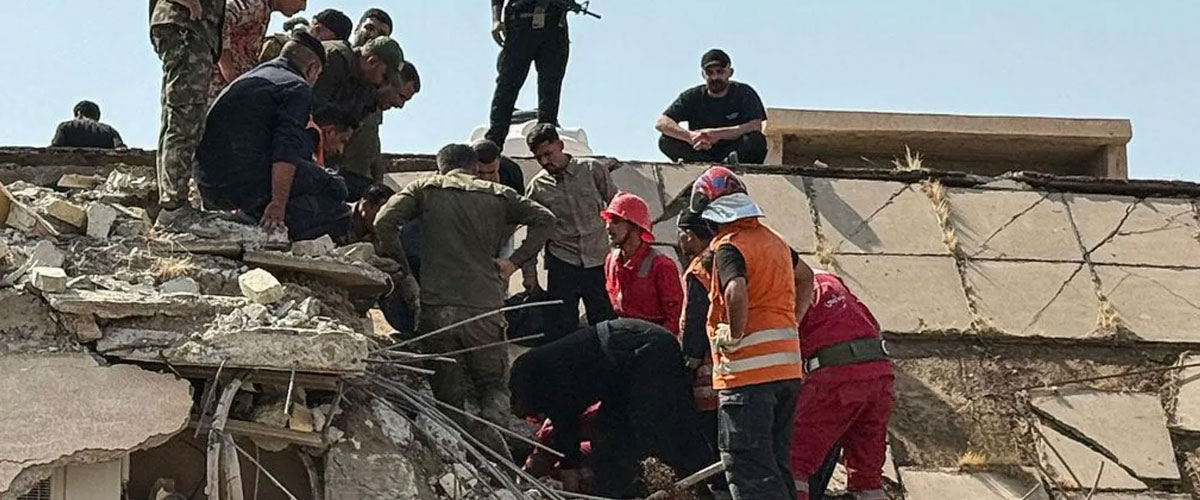
ISLAMABAD: US and Saudi Arabian militaries said they launched attack on “Iran-aligned terrorists” in Iraq on Wednesday in retaliation for recent attacks.
This came as a clear indication that the war in the Middle East is spreading in directions other than simply two-sided conflict between US and Iran.
Saudi fear of encirclement by Iran backed Shia militias seems to be forcing it into action at a military level.
The combined US-Saudi air strikes were launched as President Donald Trump met with Israeli Prime Benjamin Netanyahu at White House for their first in-person talks since the Middle East war began in late February.
The US military said US and Saudi forces carried out precision strikes against “Iran-aligned terrorists” the Islamic Revolutionary Guard Corps (IRGC) “directed to attack US forces and Saudi energy infrastructure”.
Earlier in the week the Saudi Air Force also carried out precision strikes against Houthi rebels in Yemen, which is another Iran backed Shia militia.
Saudi Arabia has long viewed the network of Iran-backed armed groups across the Middle East as one of its most significant security challenges. From the Houthis in Yemen to powerful Shia militias in Iraq and Hezbollah in Lebanon, Riyadh argues that these organizations give Tehran the ability to project military influence far beyond its borders and threaten Saudi territory, energy infrastructure and regional trade routes without engaging in direct conventional warfare.
For years, Saudi leaders have warned that the consolidation of these militias in neighboring countries risks creating what many regional analysts describe as a “ring of armed proxies” around the kingdom. Riyadh fears that if these groups become more active during the ongoing US-Iran confrontation, they could launch coordinated attacks on Saudi oil facilities, border regions, military installations and commercial shipping in the Gulf, significantly expanding the scope of the conflict.
The latest US-Saudi military coordination suggests Washington increasingly shares Riyadh’s assessment that Iran-backed militias represent not only a regional threat but also a direct challenge to American military personnel and strategic assets in the Middle East. As attacks by these groups intensify, the United States appears more willing to support Saudi efforts aimed at degrading their military capabilities, potentially opening additional fronts beyond the direct US-Iran confrontation.
Regional security analysts caution that sustained military operations against Iran-aligned militias in Iraq, Yemen or elsewhere could widen the conflict into a broader regional war involving multiple state and non-state actors. Such a scenario would increase the risk of retaliatory attacks across several countries, place greater pressure on energy markets and maritime trade, and complicate diplomatic efforts to contain the crisis.