Author

Iran Says No US Talks Underway as Oman Discusses Safe Hormuz Route
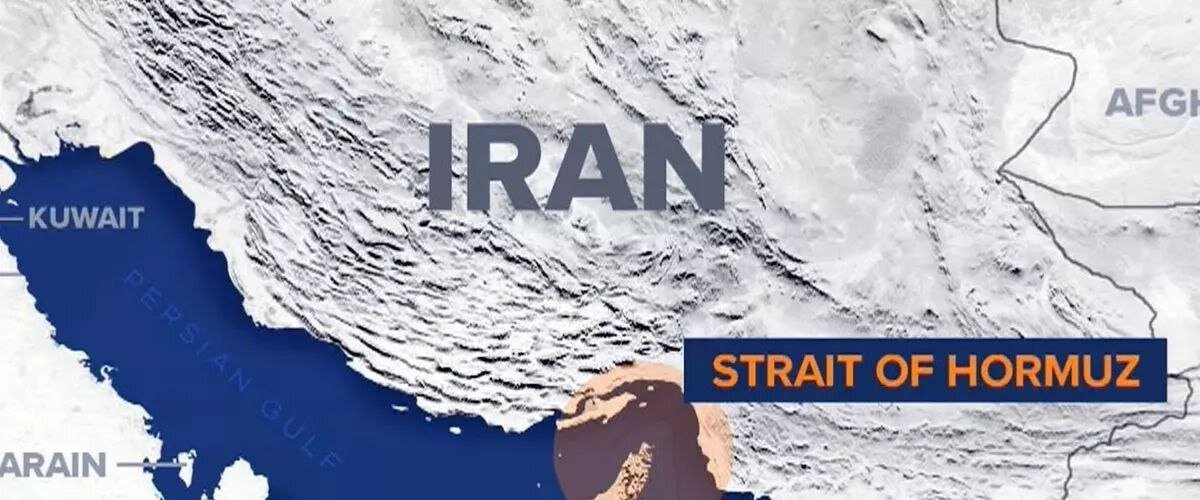
ISLAMABAD: Iranian Foreign Ministry spokesman has said that Iran is not currently holding any talks with the United States.
The spokesman said that right now Iran is in the process of discussing with Oman over a temporary safe route through the Strait of Hormuz.
Baghaei added that reaching an agreement with Oman is not sufficient to reopen the strait, as the situation will remain unchanged while US “aggression” continues.
He said that there was no plan to send or receive a delegation during “these days”.
Speaking on the new Hormuz path, Baghaei said that the route being discussed would be one path with entry and exit lanes.
The Strait of Hormuz is one of the world’s most strategically important waterways, connecting the Persian Gulf with the Gulf of Oman and the wider Arabian Sea. Around a fifth of global petroleum consumption normally passes through the narrow waterway, making any disruption to shipping there a major concern for energy markets and countries dependent on Gulf oil and gas. Iran has repeatedly asserted that it has the capability to restrict access to the strait in response to military pressure or sanctions, although it has historically stopped short of permanently closing the waterway.
The latest discussions with Oman come amid heightened tensions between Iran and the United States following the escalation of their military confrontation.
Tehran has described US military action as “aggression” and has linked the status of the Strait of Hormuz to the continuation of hostilities. Iran’s position suggests that any arrangement to facilitate shipping would be treated primarily as a temporary humanitarian or security measure rather than as a broader reopening of the waterway while the conflict continues.
Oman has traditionally played an important intermediary role between Iran and the United States because of its close relations with both sides. Muscat has previously facilitated indirect contacts between Tehran and Washington, including during earlier periods of heightened tensions. Its involvement in discussions over a temporary maritime route therefore provides a possible channel for de-escalation even as Iran insists that no direct US-Iran talks are currently taking place.
The proposed route through the Strait of Hormuz would reportedly consist of a designated passage with separate entry and exit lanes. Such an arrangement could potentially allow some commercial or essential shipping to move through the strait while reducing the risk of confrontation between vessels and military forces operating in the area. However, its practical implementation would depend on whether the parties involved can establish credible security guarantees and ensure that ships using the route are not targeted or intercepted.
The dispute over Hormuz also carries implications far beyond Iran and the United States. The waterway is vital to major Asian economies, particularly China, India, Japan and South Korea, which rely heavily on Gulf energy supplies. A prolonged disruption could increase oil and gas prices, raise shipping and insurance costs and put additional pressure on already vulnerable global supply chains. For Iran, meanwhile, control over access to Hormuz remains one of its most important strategic cards in confronting US military and economic pressure.