Author

Naqvi’s Iran Visit Focuses on Security, Bilateral Ties, Regional Stability
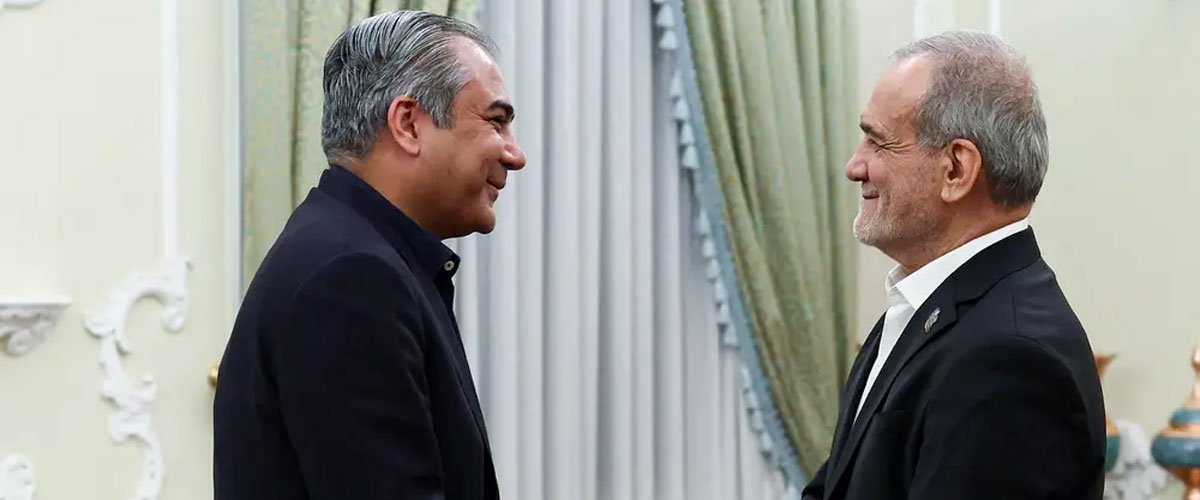
ISLAMABAD: The Foreign Office spokesman has said that Interior Minister Mohsin Naqvi’s visit to Iran was aimed at discussing bilateral relations, security-related matters and regional developments, particularly peace and stability in the region.
FO spokesperson Tahir Andrabi said Naqvi, who arrived in Tehran on Tuesday, was holding meetings with senior Iranian officials.
The spokesman was addressing a weekly media briefing at the foreign office.
He told media that the visit provides the two countries the opportunity to discuss “bilateral relations, security-related matters, and regional development, with a particular focus on efforts to promote peace, stability, and constructive engagement amongst the parties in the region and regional developments”.
Naqvi was received in Tehran by his Iranian counterpart, Eskandar Momeni, and later held talks with Iranian Foreign Minister Abbas Araghchi and Iranian President Masoud Pezeshkian, Iranian media reported.
Speaking further on Pakistan’s mediation efforts between the US and Iran, Andrabi reiterated that Pakistan remained engaged alongside “brotherly states” in “sincere efforts” to work towards a resolution to the crisis.
“Pakistan is making all-out efforts to bring the two parties to the negotiating table and the Islamabad MoU and pave the way for peace and stability in the region,” he said.
He also warned that Pakistan would continue to “offset spoilers using direct and indirect channels” and ensure the continuation of constructive dialogue to resolve outstanding issues.
Pakistan’s engagement with Iran comes against the backdrop of its efforts to position itself as a mediator between Tehran and Washington following the escalation in US-Iran tensions. Islamabad has sought to maintain
communication with both sides, presenting the Islamabad MoU as a framework for keeping diplomatic channels open and creating conditions for a negotiated settlement. Pakistan has also coordinated its diplomatic efforts with other regional states that have an interest in preventing the conflict from widening.
Iran’s strategic importance to Pakistan has increased amid the broader regional crisis because of their shared border, security concerns and extensive political and economic links. Islamabad has a direct interest in preventing instability in Iran from spilling across the border, particularly at a time when Pakistan is already confronting security challenges in its western border regions.
Tehran, meanwhile, has repeatedly emphasized the importance of regional countries playing a role in shaping the region’s security environment rather than leaving it solely to external powers.
Naqvi’s visit therefore takes place at the intersection of Pakistan’s bilateral security concerns with Iran and its broader diplomatic effort to contain the regional crisis. His meetings with senior Iranian officials provide Islamabad an opportunity to discuss border security and bilateral relations while conveying its assessment of the evolving US-Iran confrontation. The visit also signals that Pakistan intends to sustain direct engagement with Tehran as it pursues its stated objective of keeping diplomatic channels open and encouraging the parties to return to negotiations.