Author

Pakistan Extends Airspace Ban on Indian Aircraft Until September 24
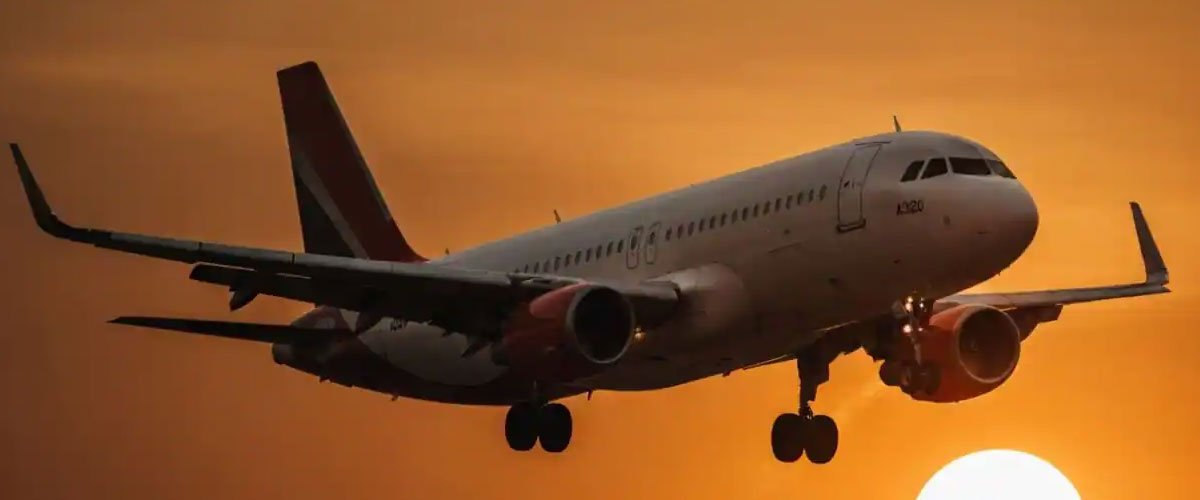
ISLAMABAD: Pakistan on Wednesday extended its decision to keep Pakistani airspace close for India for another month, with the restriction remaining in place until September 24, according to a Notice to Airmen (NOTAM) issued by the Pakistan Airports Authority (PAA).
The restrictions were first imposed in April 2025 amid a sharp deterioration in relations between Pakistan and India following the Pahalgam attack in Indian-administered Kashmir. New Delhi accused Islamabad of involvement in the attack, an allegation Pakistan denied, while also offering a neutral investigation.
Pakistan subsequently announced a series of retaliatory measures, including the closure of its airspace to Indian-owned and Indian-operated aircraft. India also imposed reciprocal restrictions on Pakistani aircraft, disrupting the normal flight routes used by airlines of both countries.
The airspace restrictions have remained in place despite repeated monthly extensions, reflecting the continuing absence of a broader normalization in bilateral relations. The latest extension comes as the previous NOTAM was due to expire on August 23.
The ban covers Indian-registered aircraft as well as aircraft owned, operated or leased by Indian airlines and operators, including military flights. It applies across both the Karachi and Lahore Flight Information Regions, which together cover Pakistani airspace.
The closure has forced Indian airlines operating flights to Europe, North America and other western destinations to use longer alternative routes, increasing flight times and operational costs. Pakistani aircraft, meanwhile, continue to face reciprocal restrictions on the use of Indian airspace.
Pakistan has renewed the restriction several times since it was first introduced, with the latest notification extending the measure until 4:59am on September 24. The continuation of reciprocal airspace restrictions underscores the persistence of tensions between the two nuclear-armed neighbours more than a year after the crisis that triggered the measures.
The latest crisis between Pakistan and India began after the April 22, 2025 attack in Pahalgam in Indian-administered Kashmir, in which 26 people were killed. India blamed Pakistan-linked militants for the attack, while Islamabad denied involvement and offered to support a neutral investigation. The accusations triggered a rapid deterioration in already strained relations between the two nuclear-armed neighbours.
Politically, both countries imposed a series of retaliatory measures. India suspended its participation in the Indus Waters Treaty, downgraded diplomatic ties and introduced restrictions on Pakistani nationals, while Pakistan responded by closing its airspace to Indian-operated aircraft, suspending visas and taking other reciprocal steps. Exchanges of fire along the Line of Control also intensified as the diplomatic crisis unfolded.
The crisis escalated into a four-day military confrontation from May 7 to May 10 after India launched Operation Sindoor, carrying out strikes against targets in Pakistan and Pakistan-administered Kashmir. Pakistan retaliated, and the two sides exchanged missile, drone and artillery attacks before agreeing to a ceasefire on May 10. Although large-scale fighting ended, political and military tensions have persisted, with both sides maintaining several punitive measures imposed during the crisis.