Author

South Korea’s Stakes in the Western Asia Conflict
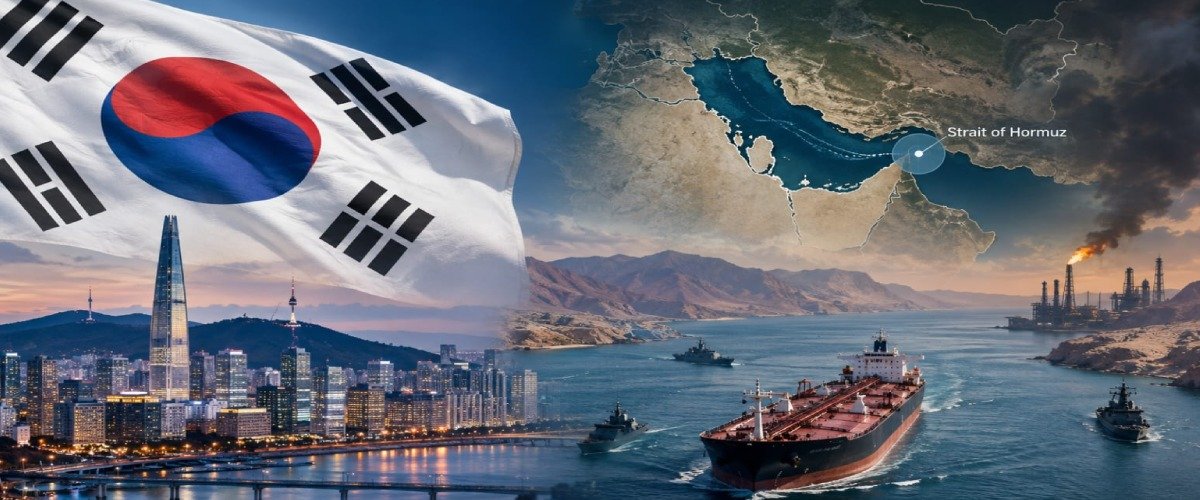
ISLAMABAD: South Korean Foreign Minister Cho Hyun had a telephone call with his Iranian counterpart Abbas Araqchi and discussed the situation in the Middle East, including freedom of navigation through the Strait of Hormuz, Seoul’s foreign ministry said. give me five paras as backgrounder to this role with focus on South Korean interests in the conflict in Western Asia.
South Korea has a direct economic and strategic stake in the conflict in Western Asia because of its dependence on the region for energy and the importance of Gulf shipping routes to its economy. The Strait of Hormuz is particularly significant: South Korea is a major energy-importing country and has traditionally sourced a large share of its crude oil from the Middle East. Although Seoul has been diversifying its LNG supplies, the region remains an important source of energy. The disruption of shipping through Hormuz has therefore become an economic and national-security concern for Seoul, with implications for energy prices, industrial production and inflation.
The conflict also directly affects South Korean commercial shipping. Korean-flagged and Korea-linked vessels have been among those affected by the disruption of navigation through the Strait of Hormuz. Seoul has repeatedly raised the safety of these vessels with Tehran, making freedom of navigation a central element of its diplomacy with Iran. In March, Foreign Minister Cho Hyun specifically asked Iran to ensure the safety of Korean and other foreign vessels and to take measures to restore normal energy flows. Seoul’s repeated contacts with Tehran indicate that protecting commercial shipping is not simply a diplomatic concern but an immediate economic priority.
South Korea also has a significant human and commercial presence in the wider Middle East. Seoul has therefore been concerned about the safety of its nationals as well as companies and economic interests operating in the region. In his previous conversations with Araghchi, Cho sought Iranian assistance in protecting South Korean citizens in Iran. At the same time, Seoul has an interest in preserving its working relationship with Tehran, particularly because Iran remains an important regional actor whose actions can affect Gulf shipping, energy supplies and the security environment across Western Asia.
The crisis is also forcing Seoul to navigate a difficult strategic balance between the United States and Iran. South Korea is a close US ally and has an extensive security relationship with Washington, but it has traditionally sought to avoid becoming directly involved in conflicts in the Middle East. This dilemma has become sharper as Washington has pressed allies to contribute to maritime security around the Strait of Hormuz. Seoul is currently examining possible contributions to international maritime-security efforts, including the potential role of naval assets, while emphasizing that no decision on troop deployment has been made.
For Seoul, therefore, the Western Asian conflict is ultimately a question of energy security, maritime security, economic stability and alliance management. South Korea wants the Strait of Hormuz kept open without being drawn into a broader military confrontation with Iran. Its repeated ministerial contacts with Tehran reflect an effort to maintain channels with both sides while protecting Korean ships, nationals and economic interests. The latest Cho-Araghchi conversation is consequently part of a broader Korean strategy of diplomatic engagement aimed at limiting the economic consequences of the conflict and preserving room for Seoul to participate in international efforts to secure navigation without necessarily becoming a party to the conflict.