
Author

Give Coaches Time, and Results Will Follow
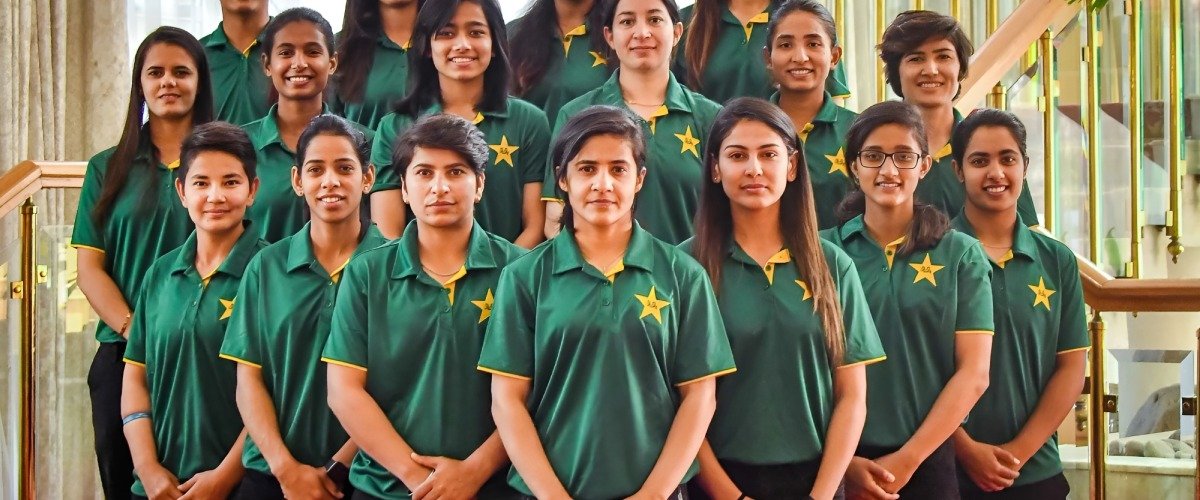
Pakistan Women’s Cricket needs to learn an important lesson from its neighbor India: give coaches time and allow them a proper opportunity to build a team.
India appointed Amol Muzumdar as the head coach of the women’s team in 2023 and gave him consistent time to work with the side. The team went on to become world champions and also secured a historic Test victory at Lord’s.
Similarly, Rahul Dravid was given several years to work with India’s men’s U-19 team, and that long-term approach eventually produced results in the form of the 2018 U-19 World Cup title.
Pakistan also has a strong example of continuity in the form of Mohtesham Rashid, who served as head coach of the Pakistan Women’s team from 2012 to 2016, spending almost five years in the role. During this period, the team showed clear improvement.
Under his coaching, the Pakistan Women’s team won consecutive gold medals at the Asian Games, successfully qualified through the World Cup qualifiers, and also completed a clean sweep against Bangladesh. These achievements were evidence of a team becoming more settled and competitive, and showed that when a coach is given time and trust, results can follow.
Pakistan needs to adopt the same philosophy at the U-19 level as well. Mohammad Masroor has already guided the Pakistan Shaheens to victory in the 2023 Emerging Asia Cup. If he is given the opportunity to work with young talent as part of a long-term plan, a strong bench strength can be developed at the U-19 level that can eventually strengthen the national team.
The real talent pipeline begins at the U-19 level and eventually feeds into the national team. Therefore, instead of changing coaches every time results do not immediately go their way, Pakistan needs to focus on building a proper system, maintaining coaching continuity, and implementing a clear plan of at least three years.
Give a good coach time, build a system around him, and the results will eventually follow.
