
Author

Saudi-Houthi Conflict: A Decade of War and Fragile Peace
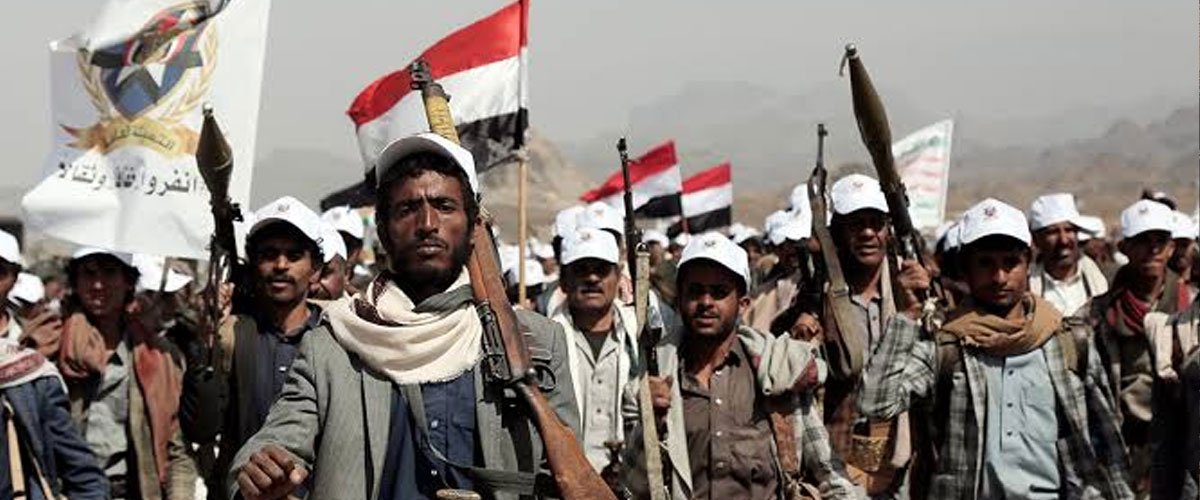
ISLAMABAD: A Saudi foreign ministry official on Thursday accused Iran of encouraging the Houthis in the latest escalation of their fight with the kingdom, adding that it continues to arm and train the group.
“Iran continues to arm, train and support the Houthi militia in violation of UN security council resolutions,” Dr Rayed Krimly, deputy minister for public diplomacy at the foreign ministry, said during a virtual briefing with reporters.
“We think that the escalation by the Houthis at this latest stage of the conflict is encouraged by Iran,” he later said.
The official said the kingdom however remained in communication with Iran, even if Tehran appeared unwilling to offer concessions.
“We continue to have direct communications with Iran,” Krimly told reporters.
“Overall, it doesn’t seem yet that the Iranians are able to provide the necessary concessions for a solution.”
The official went on to accuse the Houthis of refusing to meet in Oman in recent weeks as fighting ramped up between the two sides.
The conflict between Saudi Arabia and Yemen’s Houthi movement intensified in March 2015, when a Saudi-led military coalition intervened in Yemen to support the internationally recognised government against the Iran-aligned group. The Houthis, also known as Ansar Allah, had seized the capital, Sanaa, in 2014 and expanded their control over large parts of the country. Riyadh viewed the movement’s advances as a security threat along its southern border and an extension of Iranian influence in the Arabian Peninsula.
The Houthis have repeatedly launched missiles and drones towards Saudi territory, targeting cities, airports and energy infrastructure, while the Saudi-led coalition conducted air strikes and imposed restrictions on Yemen. The conflict caused widespread civilian suffering and contributed to one of the world’s worst humanitarian crises. Although a UN-brokered truce in April 2022 significantly reduced cross-border attacks and large-scale fighting, it did not produce a comprehensive political settlement. Subsequent diplomatic efforts have sought to secure a lasting ceasefire and establish a framework for negotiations between Yemen’s rival parties.
Iran’s support for the Houthis remains a central point of contention between Tehran and Riyadh. Saudi Arabia accuses Iran of supplying weapons, training and technical assistance to the movement, allegations that Tehran has disputed in various forms. The Houthis have developed increasingly sophisticated missile and drone capabilities and have also expanded their regional military profile, including attacks on commercial shipping in the Red Sea following the outbreak of the Gaza war in October 2023. The extent of Iranian control over Houthi decisions remains contested, with the movement retaining its own political and military agenda.
Saudi Arabia and Iran restored diplomatic relations in a China-brokered agreement announced in March 2023, opening a channel for reducing regional tensions. Riyadh has since pursued diplomacy aimed at preventing a renewed escalation in Yemen and securing its border, while maintaining that a durable settlement requires an end to attacks and progress towards a political solution. The latest Saudi accusations that Iran is encouraging renewed Houthi escalation, alongside claims that the movement has declined to attend talks in Oman, underscore the fragility of these efforts and the continuing difficulty of separating the Yemeni conflict from the wider Saudi-Iranian rivalry.
