
Author

US Midterm Elections and the Future of Pakistan-US Relations
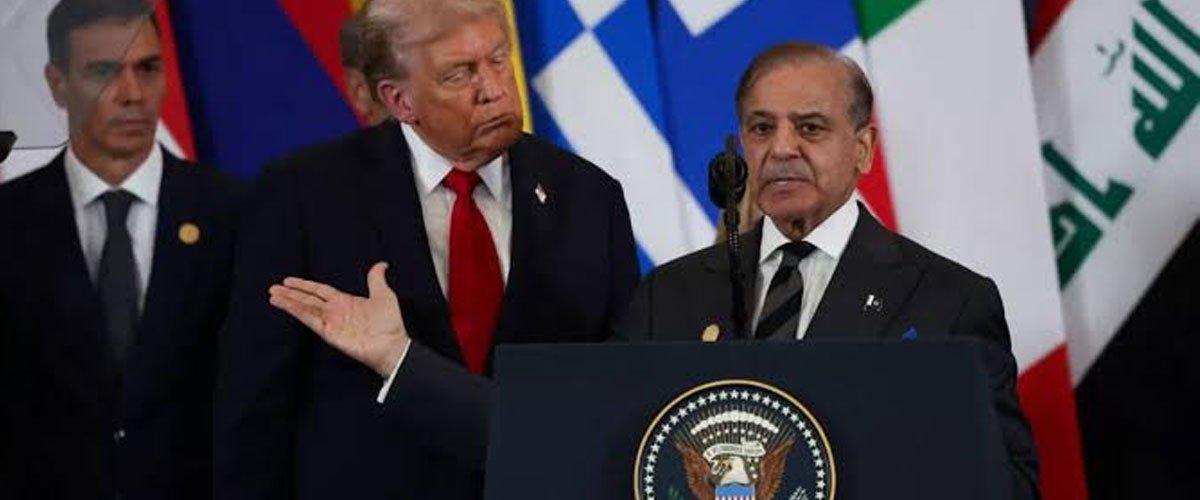
ISLAMABAD: Pakistan will continue to push for maintaining close relations with the United States irrespective of which party holds power in Washington, Foreign office spokesman said.
The Foreign Office on Friday said Pakistan viewed the United States as an important partner and would continue to engage with both sides of the political divide, signalling that Islamabad’s approach to Washington would remain guided by long-term strategic and economic interests rather than political changes in the US administration.
“We have maintained excellent relations with all governments, irrespective of who is in power, and this will continue,” Foreign Office spokesperson Sajjad Haider Khan said during his weekly briefing.
The Democratic Party’s sweeping victory in the November 3 midterm elections, securing control of both the House of Representatives and the Senate, has altered the political landscape in Washington and could have implications for the future direction of Pakistan-US relations. Although President Donald Trump will remain in office for another two years, the Republican administration will now face a Congress controlled by its political opponents when the new Congress takes office in January 2027.
The results represent a significant setback for Trump, whose administration has invested in strengthening ties with Pakistan through high-level political and military engagement.
For Pakistan, the immediate challenge will be to ensure that the recent improvement in bilateral relations survives the changing political balance in Washington. Relations between the two countries have gained momentum since Trump’s return to the White House in January 2025, with cooperation expanding into counterterrorism, regional security, critical minerals, trade and investment. Pakistan has also played an important diplomatic role in facilitating engagement between Washington and Tehran.
Much of this renewed engagement, however, has been facilitated through personal relationships with Trump and senior figures in his administration. Democratic control of Congress could therefore test the institutional foundations of this rapprochement, particularly if lawmakers seek greater scrutiny of arrangements negotiated through the White House.
The change in congressional control could also bring renewed attention to issues that have traditionally complicated Pakistan’s relationship with the Democratic Party. These include democracy, civilian governance, human rights and Pakistan’s regional policies.
Congressional committees will have greater scope to scrutinise US security cooperation, arms sales, financial assistance and proposed investment arrangements with Pakistan. While the president retains substantial authority over foreign policy, Congress exercises considerable influence over legislation, appropriations and oversight. Consequently, the Democratic takeover could make it more difficult for the Trump administration to advance certain initiatives without congressional support.
The election results could, nevertheless, create opportunities for Pakistan, particularly regarding the evolving situation in Western Asia. Democratic lawmakers have criticised aspects of Trump’s Iran policy, and their control of Congress could increase political pressure on the administration to avoid further military escalation and pursue diplomatic solutions. Pakistan’s diplomatic engagement with both Washington and Tehran could acquire greater significance if negotiations become a preferred alternative to military confrontation.
Regional stability is also important for Pakistan’s economic interests, particularly energy security and trade. However, a Democratic-controlled Congress does not automatically translate into a change in the administration’s policy towards Iran or the wider region.
For Islamabad, the principal lesson from the American midterm elections is the importance of building relationships beyond the White House and the Republican administration. Pakistan will need to develop stronger institutional contacts with Democratic lawmakers, congressional committees and influential political figures while maintaining its existing engagement with the Trump administration.
The immediate change in congressional control will take effect in January, leaving the Republicans with control of Congress during the remaining transition period. Pakistan’s ability to sustain its recent diplomatic gains will depend on whether it can transform a relationship that has largely benefited from high-level political engagement into a broader partnership based on enduring economic, security and strategic interests.
