Author

PM Shehbaz Urges Restraint as Iran-Israel Hostilities Threaten Fragile Gulf Ceasefire
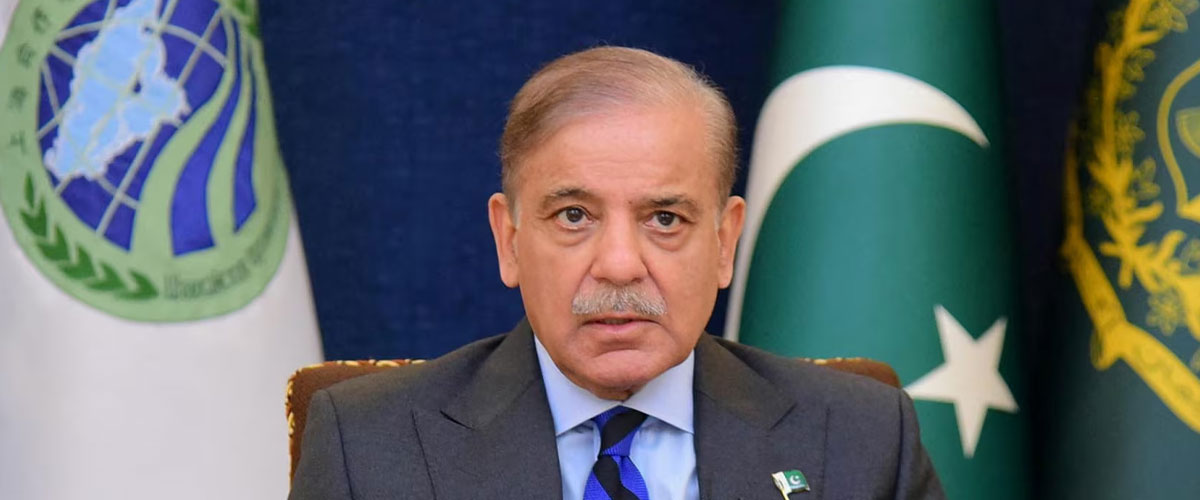
ISLAMABAD: Prime Minister Shehbaz Sharif has called upon all sides in the ongoing conflict in the Persian Gulf to “exercise restraint and give peace a little more chance” after a new round of hostilities between Iran and Israel.
“The recent surge in violence in the Middle East is a stark reminder of the dangers associated with a tenuous ceasefire and the unbearable consequences it may lead to,” PM Shehbaz said in a post on X.
“We sincerely urge all sides to exercise restraint and give peace a little more chance,” the premier wrote, emphasising that the “final objective is just about to be achieved”.
He noted that Pakistan was working “earnestly and painstakingly, together with our brothers and partners, to find a peaceful diplomatic solution to the conflict”.
“Let us continue to remain on the path of peace and diplomacy which have bright prospects of success instead of violence and destruction!” PM Shehbaz urged.
Pakistani Prime Minister’s statement came after Israel and Iran exchanged attacks on Monday for the first time since the shaky ceasefire in the Middle East war took effect on April 8, despite United States President Donald Trump calling for restraint.
The flare-up saw Israel striking Iran after Tehran targeted it for an airstrike on Beirut city on Saturday. Israel struck the Lebanese capital despite the US announcement of a truce plan last week.
Ceasefire agreements in Lebanon have failed to hold and to secure peace due to Israel’s escalated operations, including strikes.
The region has been on edge since the US and Israel launched airstrikes on Iran on February 28, triggering Iranian retaliation on Israel and other regional countries hosting US military sites.
A temporary ceasefire between Washington and Tehran was reached on April 8 after Pakistan-led mediation efforts. The ceasefire remains formally in place but has been repeatedly tested by military incidents in and around the Gulf region.
However, indirect negotiations between Washington and Tehran to reach a long-term peace agreement have drifted into what diplomats describe as a fragile stalemate despite both sides continuing to publicly endorse diplomacy over renewed confrontation.
Pakistan, however, is continuing with its peace efforts by relaying and conveying messages between Washington and Tehran.
The fact that American President Donald Trump urged the Israeli Prime Minister not to retaliate against Iranian missile strikes clearly indicates that US-Iran talks are in an advanced stage.
Iranians have also admitted that they are presently on the negotiating table with the United States with Pakistan acting as a mediator to bring the two sides into direct round of talks.