Author

Iran Says Hormuz Won’t Reopen Through US Force as Trump Tightens Blockade on Iranian Shipping
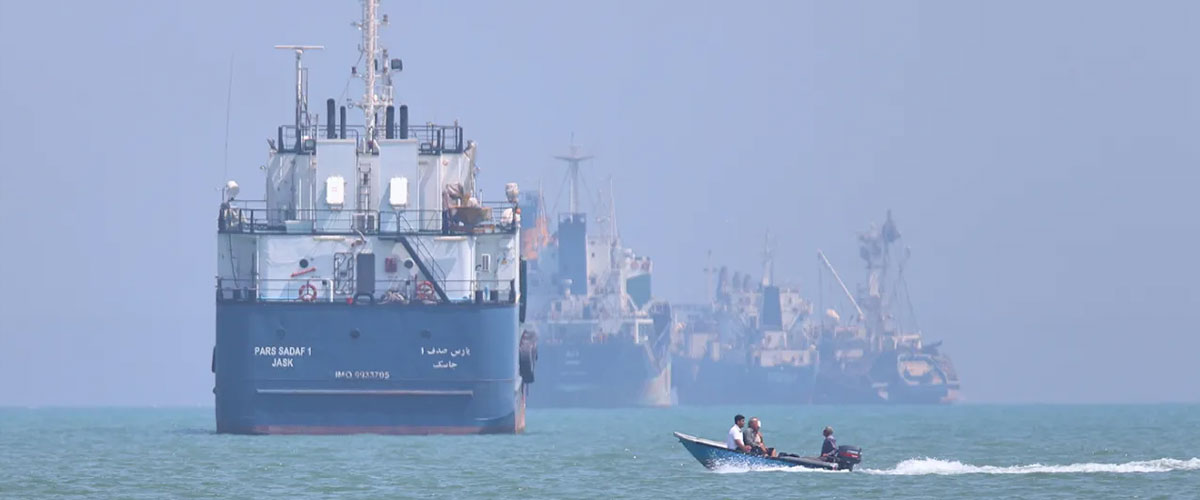
ISLAMABAD: The Strait of Hormuz will never reopen through US military action and “respecting the rights of the Iranian people” remains the only path to restoring normal navigation through the strategic waterway, an Iranian military spokesman said on Tuesday, underscoring Tehran’s continued defiance despite mounting international pressure.
According to Iranian state television, Iranian Army spokesman Mohammad Akraminia rejected Washington’s military approach, saying: “The Strait of Hormuz will never reopen through US attacks, war or evil. The only way to reopen it is by respecting the rights of the Iranian people.”
The statement comes amid one of the gravest confrontations between Iran and the United States in decades, following weeks of military exchanges that have disrupted energy supplies and heightened fears of a wider regional conflict. The Strait of Hormuz, which connects the Persian Gulf to the Gulf of Oman and the Arabian Sea, is regarded as the world’s most important oil transit chokepoint.
Roughly one-fifth of global crude oil and liquefied natural gas exports pass through the narrow waterway, making any disruption a major concern for energy markets and the global economy.
Akraminia also declared that Iran remained committed to avenging the assassination of late Supreme Leader Ayatollah Ali Khamenei and all those killed during the recent war, signalling that Tehran does not intend to scale back its confrontational posture despite international calls for restraint.
Domestic pressure on the Iranian leadership also appears to be intensifying. According to Iranian media, 180 members of Iran’s 290-seat parliament have signed a joint statement demanding a tougher response against the United States.
The lawmakers called on the government to retaliate against Washington, formally end what they described as the “Islamabad Understanding” with the United States, establish a special parliamentary commission to oversee any future negotiations with Washington, pass the proposed Strait of Hormuz Management Law, and provide full political, financial and military backing to Iran’s armed forces.
The reference to the “Islamabad Understanding” is seen as a challenge to the diplomatic framework that had emerged through mediation efforts involving Pakistan and regional partners aimed at reducing tensions after the latest phase of the conflict. The parliamentary statement suggests that a significant bloc within Iran’s political establishment believes diplomacy with Washington has failed and favours a more confrontational approach.
Meanwhile, US President Donald Trump announced that his administration would no longer impose the previously proposed 20 per cent reimbursement fee on commercial shipping transiting the Strait of Hormuz.
A day earlier, Trump had said that, alongside the reinstatement of Washington’s naval blockade targeting Iranian shipping, the United States would levy a 20 per cent fee on all cargo passing through the strategic waterway as compensation for the cost of securing international navigation.
However, in a post on Truth Social, Trump said he had reversed that decision after what he described as “highly productive conversations” with leaders of Gulf states, adding that the United States would instead be compensated through expanded trade and investment agreements with regional partners.
“The trade and investment deals that the various Gulf states will be making into the United States will more than compensate us,” Trump wrote.
The US president nevertheless maintained a hard line against Tehran, declaring that while the Strait of Hormuz would remain open to international shipping, Iranian commerce would continue to face stringent restrictions.
“The Strait of Hormuz is open to all ship traffic, except for Iran and that is because of their lying, violent, malicious leadership, which is taking them down the path of total destruction,” Trump said.
“We will therefore have a full blockade, but only on ships coming to and from Iranian ports, or carrying anything to do with Iranian cargo.”
The latest exchange of statements highlights the widening political divide between Washington and Tehran, even as regional governments continue diplomatic efforts to prevent renewed military escalation in the Gulf, where any disruption to maritime traffic could have far-reaching consequences for global energy supplies and international trade.