Author

Iran’s Bigger War Aim: Pushing the US Out of the Middle East
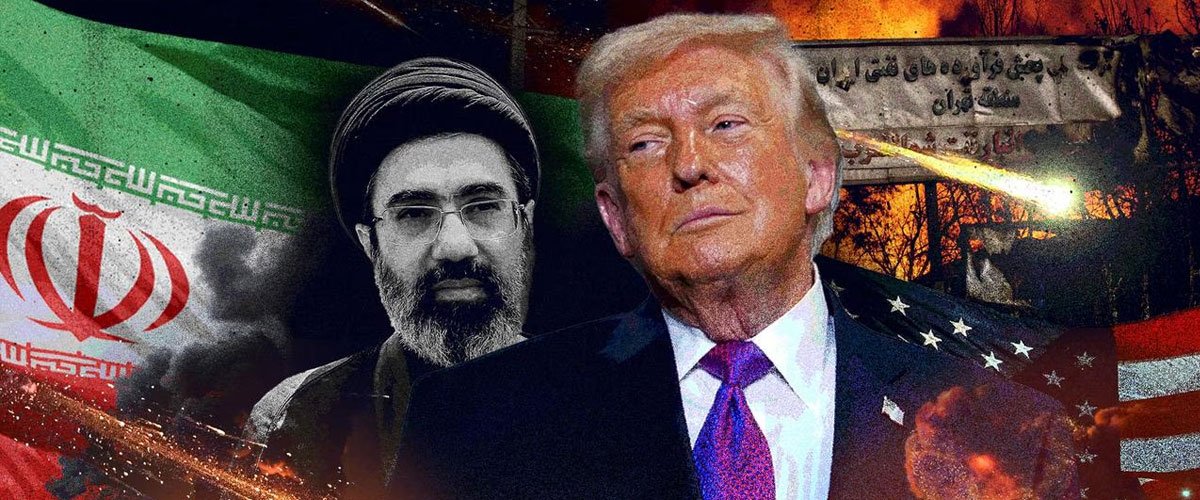
ISLAMABAD: Chairman of the National Security Committee of Iran’s Parliament Ebrahim Azizi has said that the US will soon be “expelled from the region and from the countries that are hosting US bases.
His remarks point to a broader Iranian objective that goes beyond the immediate confrontation with Washington: Tehran wants to fundamentally alter the US military presence in the Middle East and challenge the network of bases and alliances through which Washington has projected power across the region for decades.
The statement is particularly significant because the United States maintains a substantial military presence across the Gulf and wider Middle East, including bases and military facilities in countries such as Qatar, Bahrain, Kuwait, the United Arab Emirates, Saudi Arabia and Iraq. These facilities provide Washington with the ability to deploy air and naval power, conduct surveillance and support military operations across a region that includes Iran’s immediate neighbourhood.
For Tehran, however, these bases are not merely defensive installations. Iran has long regarded the American military presence around its borders as a strategic threat and has built much of its regional security doctrine around deterring or imposing costs on US forces and their regional partners. Iranian officials have repeatedly warned that American bases in the region could become targets if the United States attacks Iran.
Azizi’s remarks therefore need to be viewed against the larger Iranian conception of a post-American Middle East. Tehran has sought to strengthen relations with neighbouring states while developing political and military influence through a network of regional partners. The ultimate objective is not necessarily the immediate disappearance of every American installation, but the creation of an environment in which the continued US military presence becomes increasingly difficult, costly or politically untenable for host governments.
The question now is whether Iran has the capability to translate this rhetoric into a sustained strategic challenge to the American military position. Expelling the United States from the region would represent a dramatic transformation of the Middle Eastern security order and would affect not only Washington and Tehran but also the Gulf Arab states that host American forces. Azizi’s statement thus raises a much larger question: is Iran threatening another confrontation with the United States, or is Tehran signalling its determination to make the reduction of American power in the Middle East a central objective of its post-war strategy?