Author

Iran Says Oman Deal Does Not Guarantee Hormuz Reopening
ISLAMABAD: Iranian Foreign Minister Abbas Araghchi said that an agreement with Oman does not mean the Strait of Hormuz will be opened.
His statement echoed earlier comments by the Islamic Revolutionary Guard Corps that the agreement with Oman would not necessarily lead to opening of Strait of Hormoz.
The re-opening of the Strait will depend upon the behavior of United States, said the Iranian officials.
“Negotiations with Oman regarding passage through the Strait of Hormuz are approaching their final stages, and determining a temporary route based on the map of the armed forces is underway,” he is quoted as saying by Fars.
“Reopening the Strait of Hormuz is contingent on other conditions and compensation for the violation of the agreement by the United States.”
The Strait of Hormuz remains a critical pressure point in the confrontation between Iran and the United States, with Tehran making clear that any agreement reached with Oman does not automatically mean the waterway will be reopened. The latest comments by Iranian Foreign Minister Abbas Araghchi indicate that Iran continues to view access through the strategic strait as a matter linked to broader political and security conditions rather than as a separate issue.
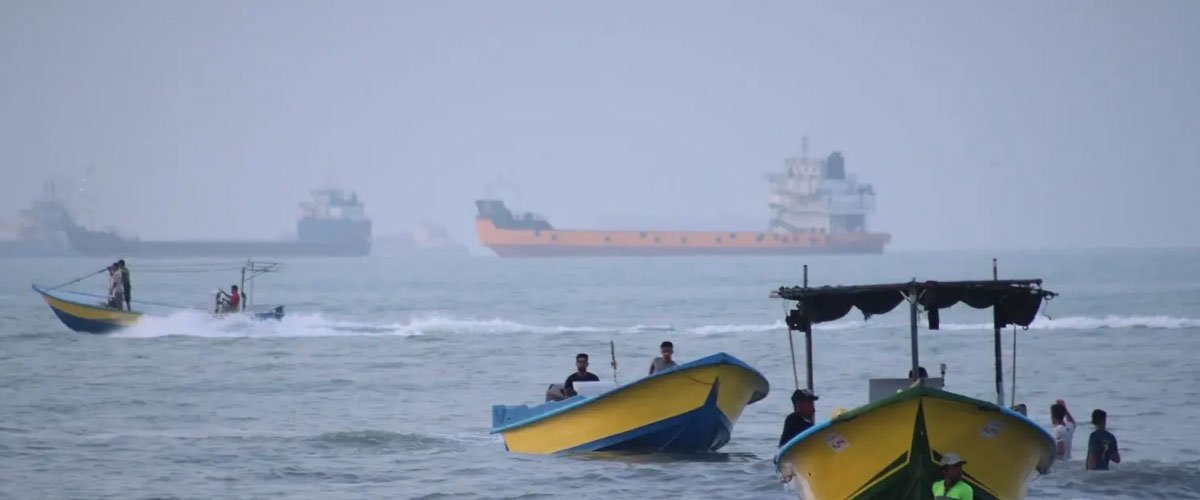
The narrow waterway between Iran and Oman is one of the world’s most important energy corridors, carrying a substantial share of global oil and liquefied natural gas shipments. Any prolonged disruption to maritime traffic through the strait can therefore have repercussions well beyond the Gulf, affecting energy markets, shipping costs and the economies of major oil-importing countries.
Iran’s position also reflects the wider tensions with Washington. Iranian officials have said that the United States must alter its behaviour and provide compensation for what Tehran describes as violations of the agreement before the strait can be fully reopened. The comments suggest that Iran intends to retain the ability to regulate or restrict maritime passage as leverage while negotiations over the broader dispute continue.
Oman has played a longstanding mediating role between Iran and Western countries and has been involved in diplomatic efforts aimed at reducing tensions in the region. According to Iranian officials, negotiations with Oman over the passage of vessels through Hormuz are nearing their final stages, with discussions reportedly focusing on a temporary route based on a map prepared by Iran’s armed forces.
The uncertainty over Hormuz highlights the limits of the emerging diplomatic understanding. Even if an arrangement with Oman is finalised, Tehran appears to be separating humanitarian or temporary maritime passage from the full reopening of the strait. The waterway is therefore likely to remain closely tied to the conduct of the United States and the implementation of any broader agreement, keeping Hormuz at the centre of the region’s security and economic calculations.