Author

Iran, Oman Agree on Shipping Routes for Strait of Hormuz
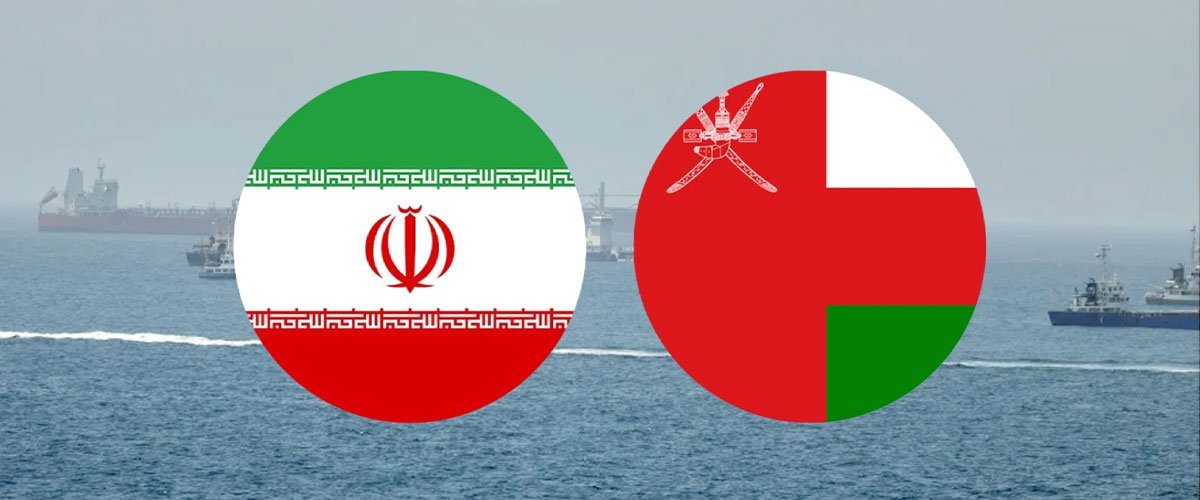
Iranian Foreign Ministry spokesman Esmaeil Baghaei said on Saturday that Iran has reached an agreement with Oman on a shipping route map for the Strait of Hormuz after prolonged technical negotiations.
Baghaei told Iranian media that Iran and Oman, the two coastal states bordering the strategic waterway, began intensive negotiations three months ago following the signing of the June 18 memorandum of understanding to establish safe navigation routes.
“Despite US obstruction, the talks have made positive progress over the past three weeks, and an agreement has been reached on the shipping route map,” he said.
Baghaei said the plan was the result of coordination led by the Foreign Ministry with the participation of Iran’s defense, security and environmental authorities.
He added that the two sides were still negotiating outstanding issues, including a statement to be issued by Tehran and Muscat, noting that exchanges between the two countries would continue until the process was finalised.
Baghaei stressed that the Iran-Oman arrangement was an independent agreement between the two coastal states aimed at ensuring the safe passage of ships through the strait, while preserving the sovereignty of both countries.
He said, however, that the full restoration of security in the strait and the resumption of normal commercial shipping depended on an end to what he described as illegal US actions, military threats and the naval blockade, as well as compensation for US breaches of commitments in the last two months.
The talks are part of technical negotiations launched under the Iran-US memorandum of understanding, which tasked Tehran and Muscat with developing a new navigation framework for the Strait of Hormuz. While Iran and Oman have continued discussions on shipping routes, Tehran has repeatedly said any decision to reopen the strategic waterway remains contingent on the US fulfilling its obligations under the memorandum.
The Strait of Hormuz, through which a significant share of global oil and gas supplies normally passes, has remained at the centre of tensions between Iran and the United States. Under a June 18 memorandum of understanding between Tehran and Washington, Iran and Oman were tasked with negotiating a framework for safe navigation through the strategic waterway.
The two coastal states subsequently held intensive technical talks aimed at identifying shipping routes while addressing security, sovereignty and environmental concerns.
Iranian Foreign Ministry spokesman Esmaeil Baghaei said Saturday that Tehran and Muscat had now agreed on a map of shipping routes following three months of negotiations. He described the arrangement as an independent Iran-Oman agreement designed to facilitate safe passage while respecting the sovereignty of both countries. However, Tehran maintains that a full return to normal commercial shipping depends on an end to US military pressure and what it calls the naval blockade, as well as Washington fulfilling its commitments under the memorandum and addressing alleged breaches over the past two months.