Author

Iran’s Economic Woes Deepen as War Hits Oil Revenues and Industry
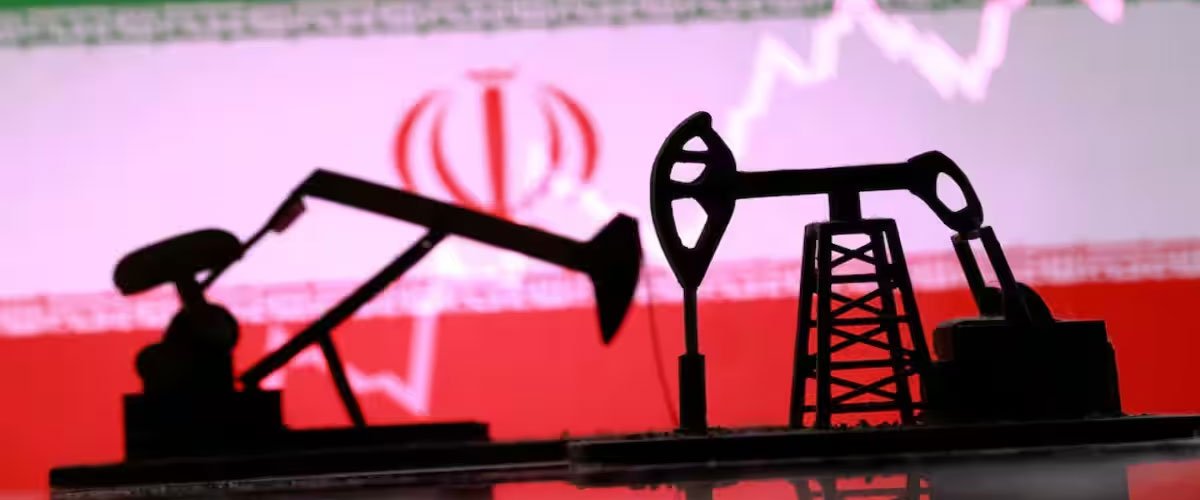
ISLAMABAD: President Masoud Pezeshkian has said that Iran’s economic problems have worsened since the start of the war with the US and Israel, due to declining oil revenues and the destruction of factories.
Iranian media published the remarks of Pezeshkian about rising prices to higher costs and falling state revenues resulting from a decline in oil sales. He added that imported goods previously reached Iran through more direct routes but now enter the country through alternative channels, driving up their final cost.
“Our revenues have declined. We used to sell oil, but now we cannot sell it,” he says, adding that damage to the country’s industrial facilities during the war with the US and Israel has further aggravated the economic situation.
“They targeted and destroyed a large number of factories,” he outlined. “The damage has also affected tax revenues. We can no longer collect taxes from factories.
Not only that, but we also have to provide them with funds so they can continue operating,” the president states.
“Our problems have multiplied many times over, while our revenues have also declined,” he adds.
Iran’s economy was already under severe pressure from years of US sanctions, declining investment and restrictions on oil exports before the latest war with the United States and Israel. The conflict has added a new layer of disruption, particularly by damaging industrial infrastructure and making trade and the movement of imported goods more difficult and expensive.
The decline in oil revenues is particularly significant because oil remains a major source of Iran’s foreign-exchange earnings and government income. With oil sales disrupted, Tehran is facing a widening gap between its revenues and expenditures at a time when it also needs to spend more on reconstruction and economic support for industries affected by the war.
The economic damage could therefore extend well beyond the immediate destruction of factories and infrastructure. Lower industrial activity means reduced tax collection, while the government faces pressure to provide financial assistance to keep damaged factories operating. At the same time, higher import costs and disrupted supply routes are likely to add to inflation and further squeeze Iranian households and businesses.