Author

Pakistan Rejects Claims Asim Munir Visited Iran as US Envoy
ISLAMABAD: The Foreign Office (FO) spokesman on Thursday dubbed the claims that Field Marshal Asim Munir visited Iran as an “envoy” of the United States “misleading and factually incorrect”.
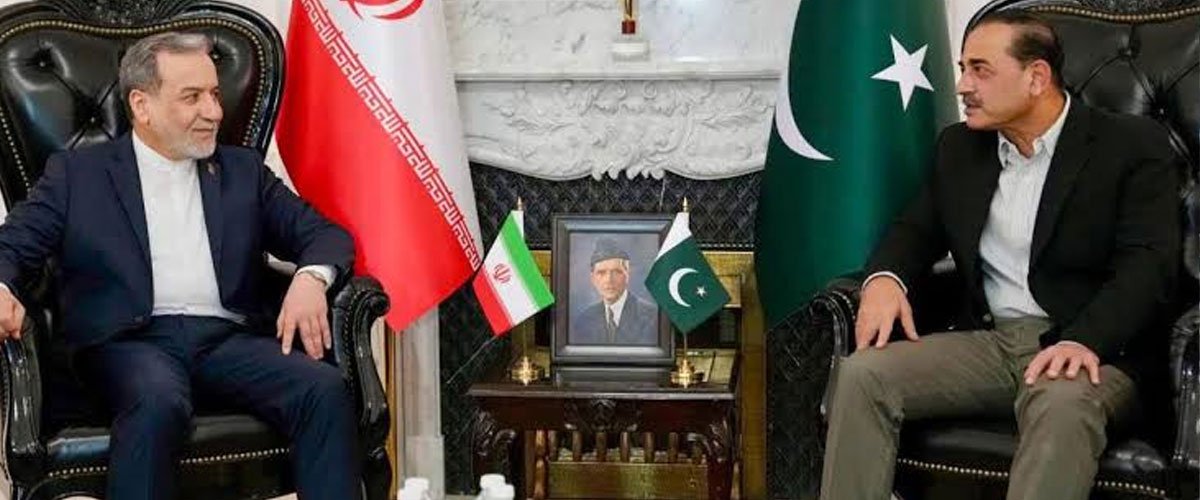
The army chief met the Iranian leadership during his day-long visit to Tehran on August 24, undertaken as part of Pakistan’s diplomatic efforts to end the stalemate in the ongoing US-Iran conflict. Interior Minister Mohsin Naqvi also accompanied him.
During the weekly press briefing the Spokesperson Tahir Andrabi noted that the discussions held during CDF Munir’s visit to Tehran “focused on regional de-escalation, breaking the military stalemate and exploring a negotiated settlement to restore peace and stability”.
“I will also highlight that claims by certain quarters that the COAS and CDF visited Iran as envoy of President Trump or the US are misleading and factually incorrect, as his visit was undertaken purely in the context and backdrop of Pakistan’s role as a mediator,” he said.
Andrabi asserted that the visit underscored Islamabad’s “sincere and constructive role in bridging the difference between Washington and Tehran”. He noted that the Iranian leadership appreciated Pakistan’s efforts towards de-escalation and peaceful resolution of the conflict.
Pakistan has emerged as an important intermediary in efforts to end the prolonged US-Iran military confrontation, using its relations with both Washington and Tehran to encourage de-escalation and a negotiated settlement. Islamabad has repeatedly maintained that it does not seek to represent either side but is acting independently to prevent the conflict from further destabilizing the Persian Gulf and the wider region.
The August 24 visit by Field Marshal Asim Munir and Interior Minister Mohsin Naqvi to Tehran was part of these diplomatic efforts. Pakistan has sought to use high-level political and military contacts to break what the Foreign Office has described as a military stalemate, while exploring possibilities for direct or indirect negotiations between the United States and Iran.
Islamabad’s role has gained particular significance because of its ability to maintain working relations with both adversaries at a time when communication between Washington and Tehran remains severely constrained. Pakistani officials have portrayed the country’s diplomacy as an effort to bridge differences rather than carry messages on behalf of either side, stressing that a prolonged conflict could have serious consequences for regional security and economic stability.
Pakistan has also been coordinating its diplomatic outreach with other regional efforts aimed at creating conditions for a broader political settlement. The Iranian leadership’s appreciation of Islamabad’s mediation efforts during the latest visit could provide Pakistan with additional space to continue its engagement, although the prospects of a breakthrough will ultimately depend on whether Washington and Tehran are prepared to move beyond the current military deadlock towards substantive negotiations.