
Author

Pakistan Remains Hopeful of US-Iran Peace Despite Fresh Escalation
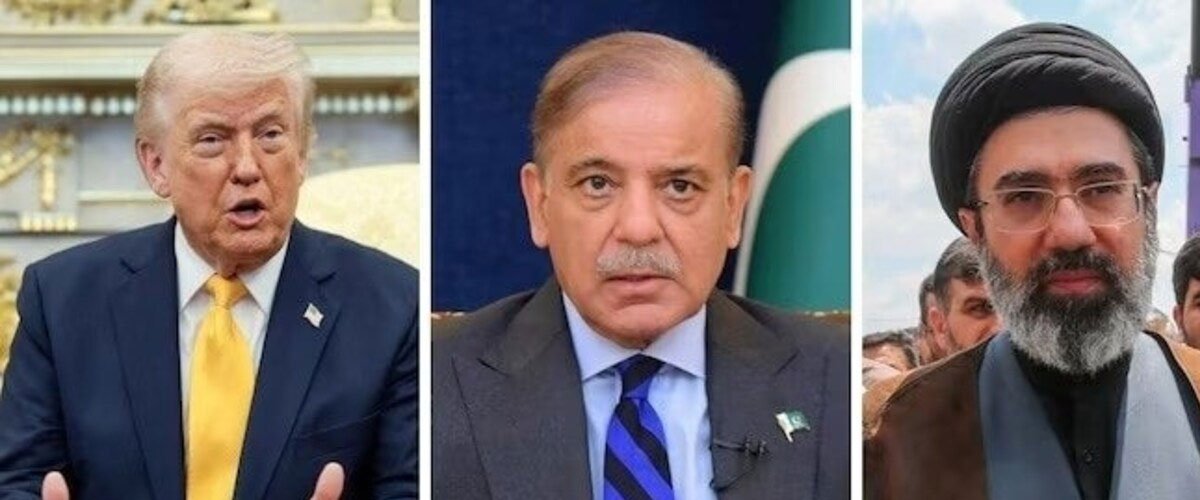
ISLAMABAD: Pakistan Foreign Office spokesperson Tahir Andrabi said on Wednesday that Pakistan remained “hopeful” about peace despite recent escalations between the US and Iran and would continue to strive for dialogue and diplomacy.
Pakistan has been spearheading efforts for an end to the ongoing war that began with US-Israeli attacks on Iran in February.
Besides signing the Islamabad Memorandum of Understanding as the mediator in June, Islamabad had also brokered a ceasefire between the US and Iran in April. The April ceasefire put an end to the most intense fighting, but sporadic attacks, mainly around the Strait of Hormuz, have dimmed the prospects of a final peace agreement.
Recapping Pakistan’s diplomatic efforts in this connection over the week, the FO spokesperson recalled that Prime Minister Shehbaz Sharif had met Iranian President Masoud Pezeshkian on the sidelines of an SCO summit earlier this week and discussed the evolving regional situation.
Pakistan has emerged as one of the principal mediators seeking to prevent the conflict from developing into a wider regional war. Islamabad played a central role in facilitating contacts between Washington and Tehran after the US-Israeli attacks on Iran in February triggered weeks of fighting and heightened fears of instability across the Persian Gulf and the wider Middle East.
Pakistan’s diplomatic intervention first helped secure a ceasefire between the United States and Iran in April, bringing an end to the most intense phase of the conflict. The ceasefire, however, did not resolve the underlying disputes between the two sides, and intermittent attacks and military incidents, particularly in and around the strategically vital Strait of Hormuz, have continued to threaten the fragile calm.
In June, Pakistan further consolidated its role as a mediator when Prime Minister Shehbaz Sharif facilitated the signing of the Islamabad Memorandum of Understanding between the United States and Iran. The agreement was intended to provide a framework for negotiations and a possible long-term settlement, although subsequent developments have demonstrated the difficulty of translating the diplomatic understanding into a durable peace agreement.
Islamabad has nevertheless continued its engagement with both sides, arguing that dialogue remains the only viable means of preventing another major escalation. Pakistan’s diplomatic efforts have also reflected its growing concern that prolonged instability in the Persian Gulf could have wider consequences for regional security, energy supplies and the economies of countries across South and Southwest Asia.
