Author

India-Iran Ties Face a New Reality After West Asia Conflict
ISLAMABAD: Iranian President Masoud Pezeshkian has arrived in New Delhi for an 11-member Brics summit where the Middle East conflict will be high on the agenda.
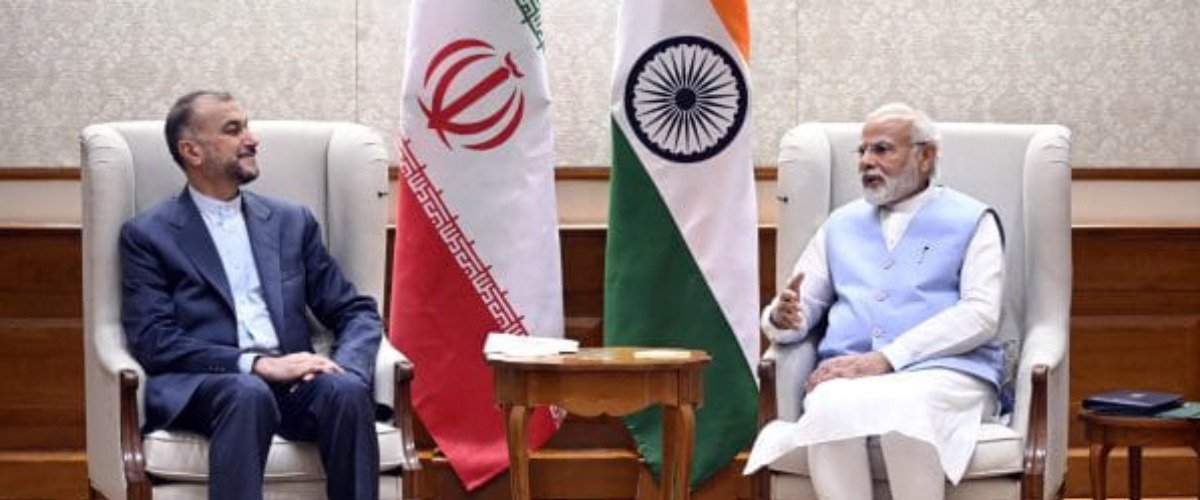
Pezeshkian, on his first visit to India as leader, will hold talks with Indian Prime Minister Narendra Modi, the IRNA news agency said. The two-day Brics summit opens tomorrow.
Iranian President Masoud Pezeshkian’s arrival in New Delhi comes at a delicate moment in India-Iran relations. Although India has maintained diplomatic engagement with Tehran, its response to the recent West Asian conflict was notably cautious and focused primarily on protecting Indian nationals, energy supplies and freedom of navigation rather than openly backing Iran. New Delhi’s position was essentially that of a strategic balancer: it called for dialogue and de-escalation without directly confronting the United States or Israel. This approach is likely to have left Tehran with a more realistic, and perhaps more cautious, assessment of the limits of India’s political support.
Yet the conflict has also demonstrated why India cannot afford a major rupture with Iran. The most important issue is connectivity. India views Iran’s Chabahar port as a strategic gateway to Afghanistan and Central Asia, providing an alternative route that bypasses Pakistan. The conflict and US sanctions have already created uncertainty around India’s investment in Chabahar, while damage to infrastructure during the war has added further complications. For New Delhi, therefore, maintaining working relations with Tehran is not simply a diplomatic preference but part of its broader strategy of maintaining access to Central Asian markets and preserving strategic options.
Energy and maritime security provide another powerful incentive for engagement. India is heavily dependent on energy imports from the Gulf, making stability around the Strait of Hormuz a vital national interest. During his recent discussions with Pezeshkian, Modi explicitly stressed freedom of navigation and the unhindered movement of energy and goods. India’s position during the conflict therefore reflected its own vulnerability: rather than taking sides in the Iran-West confrontation, New Delhi sought to keep the conflict from disrupting the commercial and energy routes on which its economy depends.
Pezeshkian’s visit may consequently mark an attempt by both sides to reset relations after the war rather than return to the old level of strategic expectations. Iran needs economic partners and diplomatic space as US pressure and sanctions intensify, while India wants to preserve its access to Iran without becoming entangled in Tehran’s confrontation with Washington. The two sides are therefore likely to concentrate on practical areas—Chabahar, trade, connectivity, energy, transport and cooperation through BRICS and the
Shanghai Cooperation Organisation—rather than seek a political alignment on the West Asian conflict. Modi has already publicly indicated that India wants to strengthen its longstanding relationship with Iran and diversify bilateral trade.
The broader significance of Pezeshkian’s visit is that India is unlikely to choose between Iran and the United States, but will try to preserve relations with both. The BRICS summit gives New Delhi an especially useful platform for doing so: India can engage Tehran as a fellow BRICS member while simultaneously maintaining its strategic partnership with Washington. For Iran, the lesson from the conflict may be that India is an important economic and diplomatic partner but not a country it can expect to stand with it in a confrontation with the West. The future relationship is therefore likely to become more transactional and interest-driven—less about political solidarity and more about ensuring that neither side loses the strategic and economic benefits of keeping the relationship alive.