Author

Saudi Arabia Faces Renewed Houthi Threat
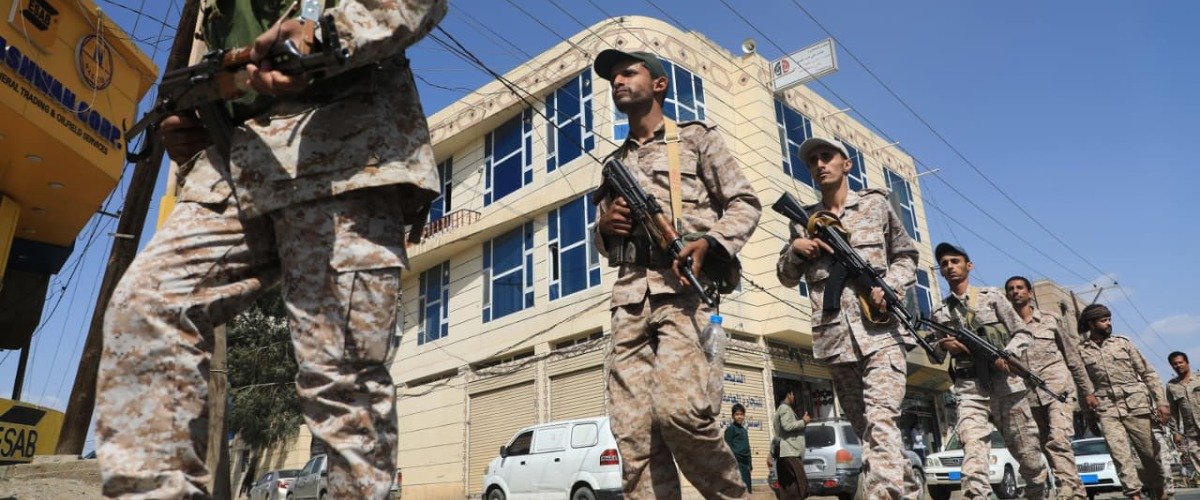
ISLAMABAD: Saudi Crown Prince Mohammed bin Salman met US Central Command chief Admiral Brad Cooper and discussed the latest regional developments, Saudi state television reported, amid an escalation in attacks on the kingdom by Yemen’s Iran-aligned Houthis.
Saudi Arabia is facing a renewed security challenge from Yemen’s Iran-aligned Houthis, who have intensified missile and drone attacks on Saudi territory and critical energy infrastructure. The attacks have targeted areas including Jazan, Abha, Najran and Khamis Mushait, with strikes causing fires and casualties and threatening oil facilities. The escalation has revived concerns in Riyadh about the vulnerability of its southern border and energy infrastructure after a period of relative calm following the 2022 Saudi-Houthi truce.
The Houthi threat has also acquired a wider strategic dimension because of the group’s advance along Yemen’s Red Sea coast towards the Bab el-Mandeb, one of the world’s most important maritime chokepoints. Greater Houthi control of territory around the strait could expose Saudi Arabia’s Red Sea interests and threaten shipping between the Indian Ocean and the Suez Canal. For Riyadh, the danger therefore extends beyond individual missile or drone attacks to the security of oil exports, maritime trade and alternative routes being used to bypass disruptions elsewhere in the region.
The United States remains a central element of Saudi Arabia’s security architecture. Washington has extensive military cooperation with Riyadh and, through US Central Command, coordinates regional air and missile-defence arrangements and intelligence-sharing with Gulf partners. CENTCOM has described the United States and its regional partners as operating a sophisticated regional air and missile-defence network, while a new coordination mechanism has been established for sharing threat warnings and responding to contingencies.
The current crisis, however, has exposed limits to the traditional US security guarantee. Crown Prince Mohammed bin Salman reportedly sought direct US military assistance against the Houthis, but Washington stopped short of authorizing direct American strikes, instead agreeing to provide intelligence and targeting support. The visit of CENTCOM chief Admiral Brad Cooper to Saudi Arabia therefore assumes particular significance, as Riyadh seeks to strengthen its defences while Washington attempts to contain the escalation without becoming directly involved in another major regional war.
Pakistan has a separate but increasingly important role in Saudi security. Islamabad has maintained a longstanding military relationship with Riyadh, including the deployment of Pakistani personnel for training, advisory and defence duties. During the wider Iran conflict in May, Pakistan deployed thousands of troops, a fighter squadron and an air-defence system to Saudi Arabia, underscoring the practical depth of the two countries’ defence cooperation.
Pakistan’s role has gained additional strategic significance following the Makkah Joint Defence Agreement signed by Pakistan, Saudi Arabia and Türkiye in August. The agreement stipulates that an armed attack against one of the three countries will be regarded as an attack against all, while Pakistan has stressed that the pact is defensive in nature and intended to strengthen collective deterrence. Islamabad has nevertheless made clear that no military response under the agreement has been discussed following the latest Houthi attacks. Thus, while the United States remains Saudi Arabia’s principal external military partner in air defence, intelligence and regional security, Pakistan’s emerging role provides Riyadh with an additional layer of military and strategic support at a time when the kingdom is confronting a more complex threat environment.