Author

Iran Urges Caution Over Alleged Drone Threat to Makkah
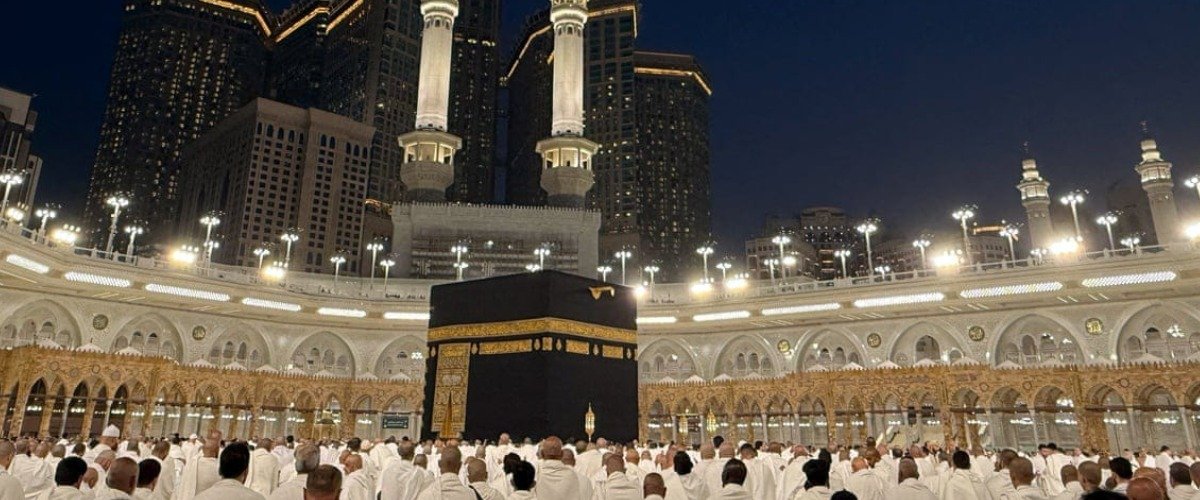
Iran foreign ministry spokesperson Esmaeil Baqaei on Thursday said that any aggression against Islamic holy sites, particularly Makkah al-Mukarramah, Madina al-Munawwarah, and Al-Aqsa Mosque, as well as threats to their pilgrims and neighbours, is a condemned act.
He was commenting on Houthis attack on the holy city of Makkah, “At the same time, a mere claim of intercepting a drone en route to Makkah al-Mukarramah cannot constitute grounds for accusing a specific party, especially since the Yemeni Government of Change and Construction has explicitly denied this claim,” he added, referring to the Houthi-led administration.
Baqaei said Iran “emphasises the necessity of preventing the politicisation of the issue of Islamic holy sites and their security, and of not using it as a tool to incite strife and escalate regional tensions”.
He called for “caution and vigilance”, noting that the region “witnessed numerous instances of ‘false flag’ operations, particularly in recent months, aimed at diverting public opinion from the crimes committed by the Zionist entity and the United States in the region, and at sowing discord among Islamic countries”.
Iran’s latest comments come amid heightened regional sensitivities over the security of Islam’s holiest sites as the wider Middle East remains embroiled in conflict. Tehran condemned any attack or threat against Makkah, Madina and Al-Aqsa Mosque, while cautioning against assigning responsibility for an alleged drone incident without independently established evidence.
The remarks also reflect the wider Saudi-Iranian effort in recent years to prevent disputes between the two countries from becoming a source of broader sectarian or regional confrontation. Saudi Arabia and Iran restored diplomatic relations in 2023 under a China-brokered agreement, although significant differences remain over regional conflicts, Iran’s relations with armed groups and the role of external powers in the Middle East.
The alleged drone incident involving Makkah has particular significance because any perceived threat to the holy city carries implications far beyond the immediate Saudi-Yemeni conflict. Saudi Arabia has previously faced missile and drone attacks launched from Yemen during the war with the Houthi movement. Riyadh has repeatedly stressed that attacks directed towards its territory threaten not only its national security but also the safety of millions of pilgrims who visit the kingdom each year.
Baqaei’s emphasis on the need for evidence before attributing responsibility is also consistent with Tehran’s broader position on the Yemen conflict. Iran supports the Houthi movement politically, while the Houthis have developed their own military and political decision-making structures. The Houthi-led administration has denied that it targeted Makkah, making the question of attribution particularly sensitive at a time when Saudi Arabia and its regional partners are already facing multiple security threats.
Iran’s reference to “false flag” operations, however, represents Tehran’s own interpretation of regional events and should be distinguished from independently established facts. The immediate issue is therefore not only the security of the holy sites but also the potential for an unverified incident to become a new source of confrontation between regional states. Any escalation would have wider implications for Saudi-Iranian relations, Yemen’s conflict and the broader effort to contain tensions across the Middle East.