Author

UN Mission Says US Strikes on Iranian School, Sports Facility May Constitute War Crimes
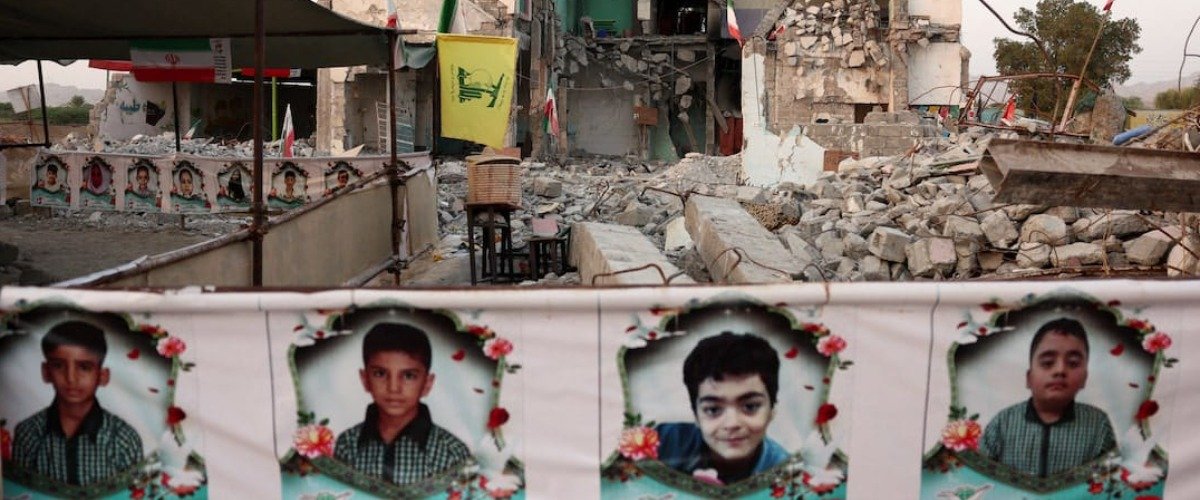
ISLAMABAD: A United Nations fact-finding mission on Iran said on Thursday it had reasonable grounds to believe the United States was behind two military strikes on a school and sports facility in Iran in February, and that these constituted war crimes.
It also said that Iranian authorities committed crimes against humanity during their deadly crackdown on anti-government protests before the war.
The findings in a new report by the Independent International Fact-Finding Mission on Iran, to be submitted to the UN Human Rights Council in Geneva, examined the US’s conduct during the Iran war that began in February and the Iranian government’s response to nationwide unrest that began in late December.
The Iranian and US permanent missions in Geneva did not immediately respond to Reuters requests for comment.
US officials have previously said military operations are conducted in accordance with the law of armed conflict, while Iran has consistently rejected allegations of systematic rights violations.
The UN fact-finding mission’s findings centre on two US strikes on civilian facilities in Iran during the opening phase of the war. The first struck the Shajareh Tayyebeh primary school in Minab, Hormozgan province, on February 28. According to the mission, a US Tomahawk missile hit the school and caused its roof to collapse. The school was described as a clearly identifiable civilian facility, and the strike reportedly killed 156 civilians, including 120 children. The mission said there were reasonable grounds to believe the United States was responsible and that the attack constituted a war crime.
The second incident involved a sports facility in Lamerd, also in southern Iran. The UN mission said the facility was struck during the US military campaign, causing 22 civilian casualties. Together with the Minab school attack, the incidents led investigators to question whether US forces had taken adequate precautions to distinguish civilian objects from legitimate military targets and whether the foreseeable risks to civilians had been properly assessed.
The mission’s assessment is particularly significant because it concerns facilities that were not, on the information publicly available, identified as conventional military targets. In the Minab case, investigators emphasised that the primary school was clearly identifiable, while the scale of the casualties — particularly the deaths of children — made the incident a central part of the report’s examination of US conduct during the February offensive. The mission concluded that there were reasonable grounds to believe the attacks amounted to war crimes, rather than simply describing them as accidental civilian casualties.
The findings do not amount to a final judicial determination of criminal responsibility. They are the conclusions of a UN-mandated fact-finding mechanism based on its investigation and assessment of available evidence. US officials have previously maintained that American military operations comply with the law of armed conflict, while the US and Iranian missions had not immediately responded to Reuters’ requests for comment on the latest findings. The report is due to be presented to the UN Human Rights Council in Geneva.