Author

US Sanctions Deepen Economic Hardship for Iranians
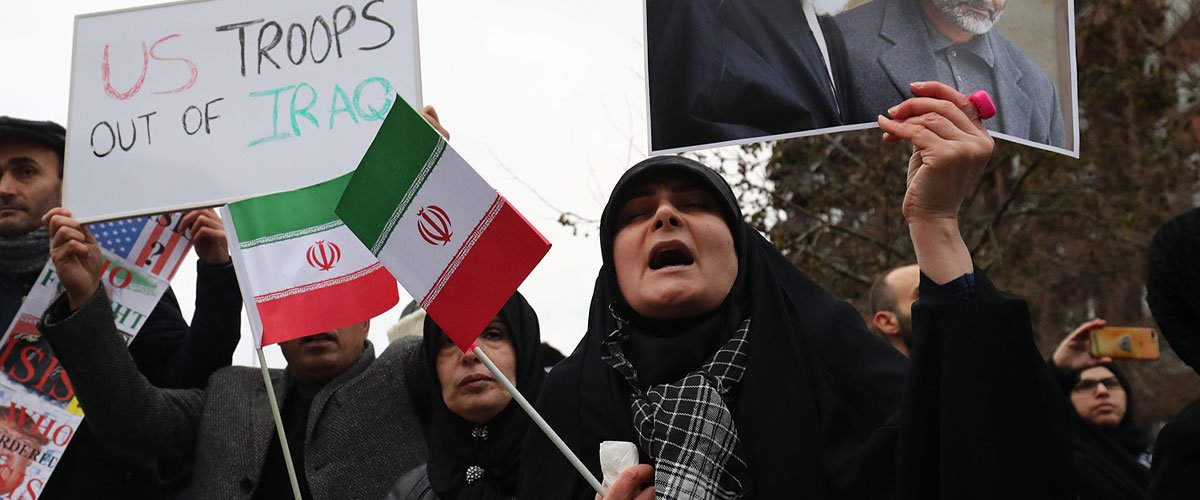
ISLAMABAD: US Treasury Secretary Scott Bessent has warned that Iranian airlines will have trouble functioning globally in two days under the weight of American sanctions, as the Trump administration seeks to keep pressure on Tehran, he told CNBC in an interview.
On September 23, “all the Iranian airlines will be shut down around the world,” Bessent told CNBC in an interview.
“If they land, you cannot provide them with fuel, you cannot provide them with landing services, you cannot sell them tickets, or you will be knocked out of the dollar system,” he added.
Iran’s economic crisis has deepened sharply as US sanctions, the disruption of oil exports and the continuing conflict have combined to weaken the country’s principal sources of foreign currency. The World Bank says economic activity has been severely disrupted by sanctions and conflict, while declining oil revenues and trade restrictions are creating additional fiscal pressure.
The pressure is being felt most directly by ordinary Iranians through inflation and falling purchasing power. The IMF currently projects 68.9 per cent consumer-price inflation and a 5.4 per cent contraction in real GDP for 2026. Reuters reported earlier this month that Iran’s rial had fallen beyond two million to the US dollar and inflation had reached 66 per cent in July.
Food and other basic necessities have become particularly difficult for many households to afford. Reuters reported that food prices had more than doubled amid the economic squeeze, while the World Bank has warned that high food inflation, shortages of imported goods and conflict-related disruptions are likely to increase poverty and further reduce real incomes.
The crisis is also affecting employment and everyday economic activity. Iran faces shortages of foreign currency, declining imports and difficulties obtaining international transport, insurance and financial services. The World Bank says persistent water and energy shortages are adding to the disruption, while high inflation and declining real incomes are suppressing domestic demand.
The latest US measures therefore come at a time when Iranian households and businesses are already under considerable economic stress. Washington’s effort to isolate Iranian airlines and other businesses from the international financial system could further restrict travel, trade and access to foreign markets, adding another layer to an economic crisis in which the burden is increasingly being experienced through prices, shortages, employment and household purchasing power.