Author

Iran’s Strategy of Resistance: Military Pressure and Diplomatic Leverage
ISLAMABAD: Regional issues “must be resolved in the region, at the hands of the countries in the region, without becoming a toy in the hands of outside aggressors,” Iranian President Masoud Pezeshkian tells the UN General Assembly.
Addressing countries who are “responsible” for aggression against Iran, he says that they have tested Iran and learned that Iran “cannot be made to surrender”.
“Iran has never, ever, been an aggressor, has never started a war, and has always shown her commitment to the negotiating table,” he adds. “They imposed the war on us, but we have proven that we are not afraid of fighting a war that is defensive in nature, and we will stand in defence of our beloved Iran, our homeland, until our last breath.
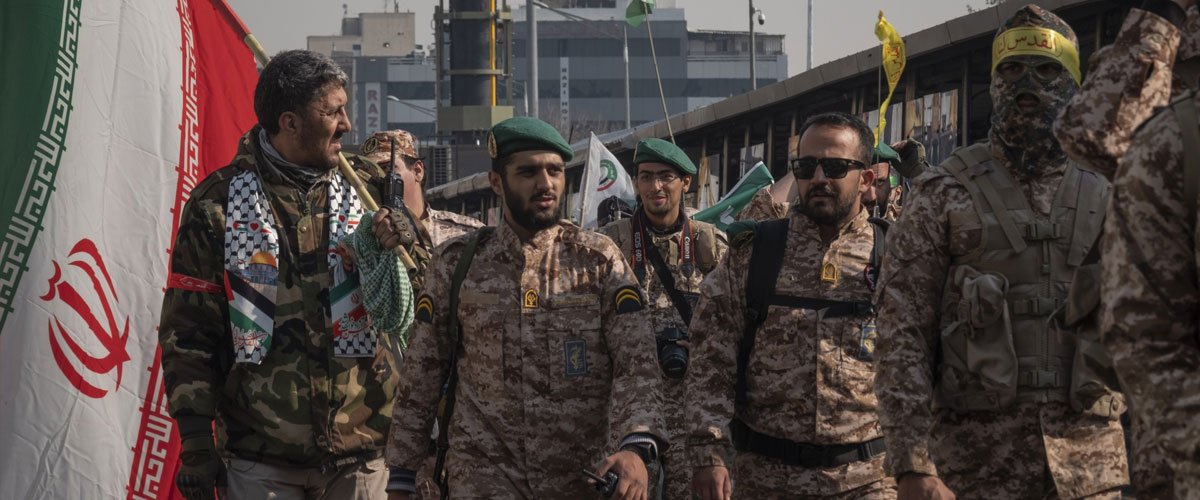
Iran’s military strategy in the ongoing conflict has centred on preserving its capacity to retaliate while imposing costs on the United States and Israel across multiple theatres rather than seeking a conventional military victory. Analysts describe the approach as one of asymmetric endurance, involving dispersed command structures, hardened missile facilities and preservation of a second-strike capability even after absorbing initial attacks.
A central component of the strategy has been the use of ballistic and cruise missiles, drones and allied armed groups to stretch US and Israeli air and missile defences. Iranian planners have sought to make the conflict geographically broader and economically more costly, including through attacks or threats affecting energy infrastructure and maritime traffic in the Gulf.
The Strait of Hormuz has consequently become an important element of Tehran’s coercive strategy. Iran has used the possibility of restricting shipping through the waterway as leverage against the US-led campaign, raising the prospect that military pressure on Iran could generate consequences for global energy markets. Recent diplomatic contacts have also placed the strait and the US naval blockade at the centre of discussions over ending the war.
At the same time, Tehran has kept diplomacy open alongside military resistance. Iranian officials have conveyed proposals through intermediaries and have indicated that negotiations remain possible if military and economic pressure is reduced. Pezeshkian’s UN message therefore reflects a dual-track strategy: maintaining the ability to fight while presenting Iran as seeking a regional and diplomatic settlement rather than surrendering under military pressure.
Iran’s strategy has thus evolved around deterrence through endurance, asymmetric retaliation, regional pressure and diplomatic manoeuvring. The immediate objective is not necessarily to defeat the superior US military capability in conventional terms, but to demonstrate that sustained pressure carries military, economic and regional costs. With indirect US-Iranian contacts continuing in New York and the possibility of renewed negotiations being discussed, Tehran appears to be combining battlefield resistance with diplomatic leverage in an effort to shape the eventual terms of any settlement.