
Author

Iran-US Talks at UNGA Hit Fresh Impasse
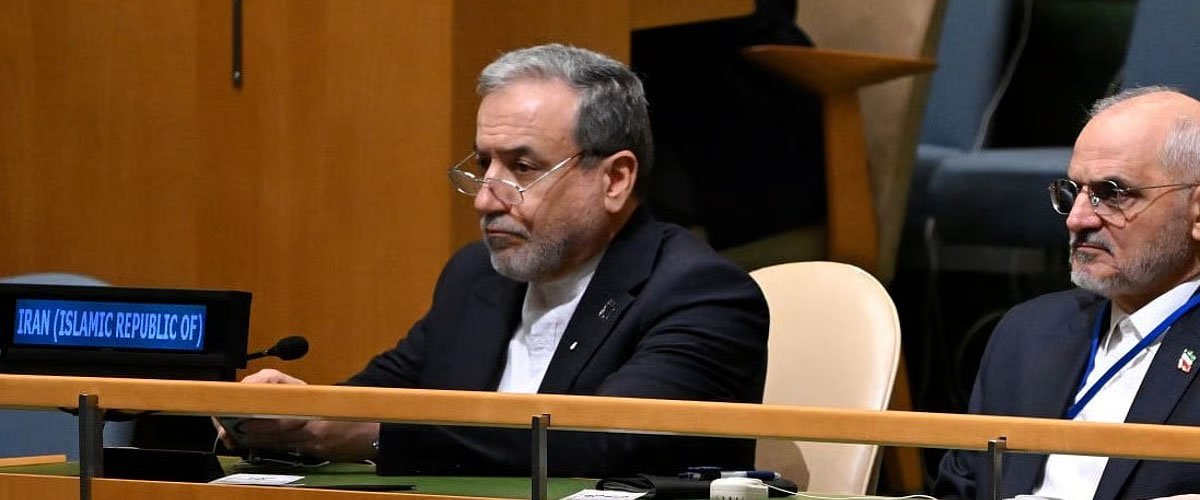
ISLAMABAD: Iran’s delegation in New York for the UN General Assembly is not planning further talks with the United States, Iranian state media reported after US President Donald Trump said he expected more negotiations soon.
State news agency IRNA quoted an unnamed source close to the UN delegation as saying there were no more talks scheduled.
“Iran’s delegation in New York has no plans for negotiations with the United States,” IRNA quoted the source as saying.
“Iran’s views and positions were conveyed clearly and explicitly to the US side… via a Qatari mediator,” Iranian media said.
Iran and the United States held lengthy indirect discussions on the sidelines of the 81st United Nations General Assembly in New York last week, with Qatar acting as a key intermediary, but the contacts failed to bridge major differences over the war, the Strait of Hormuz and Iran’s nuclear programme. US Special Envoy Steve Witkoff said mediators shuttled between the two delegations during the talks, while President Donald Trump described the engagement as productive and said he expected further negotiations.
The Iranian side, however, subsequently said the New York exchange remained focused on conveying Tehran’s conditions rather than opening direct negotiations. Iranian Foreign Ministry spokesman Esmaeil Baqaei said the two sides exchanged messages and clarifications through Qatari mediation, with Tehran communicating its conditions for reviving diplomacy. Iranian officials have linked any reopening of the Strait of Hormuz to an easing of US military pressure and the lifting of the blockade on Iranian ports.
Iran’s position was further outlined through a proposal under which the Strait of Hormuz could be reopened within seven days if Washington lifted its naval blockade and reduced military pressure. The proposal also envisaged a return to negotiations over the nuclear issue. According to reports, Tehran conveyed the proposal to the US through mediators, including Qatar. The proposal also involved measures concerning sanctions, Iranian oil exports and frozen Iranian assets.
Washington, meanwhile, has sought to broaden the negotiations beyond Hormuz and the immediate cessation of hostilities, insisting on commitments concerning Iran’s nuclear programme. Trump said on September 26 that he had rejected the latest Iranian proposal, while US officials maintained that mediated contacts remained constructive. The competing positions have therefore left the two sides still divided over both the sequencing of de-escalation and the substantive terms of a longer-term settlement.
Against this backdrop, Iranian state media reported on Monday that Tehran’s delegation in New York had no plans for another round of negotiations with Washington and was awaiting a US response to proposals conveyed through Qatar. The report came after Trump said he expected further negotiations, highlighting the gap between Washington’s public characterization of the diplomatic process and Tehran’s current position. Iranian Foreign Minister Abbas Araghchi is scheduled to leave New York on Tuesday after completing his UNGA engagements
