Author

Pakistan Denies PAF Involvement in Strikes on Houthis
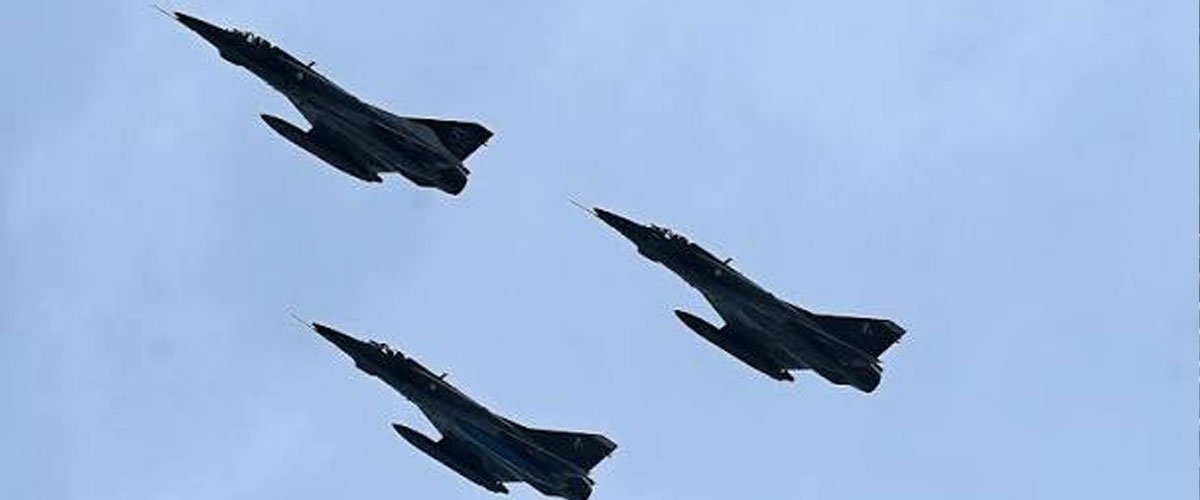
ISLAMABAD: The Ministry of Information dismissed on Thursday a news report claiming that Pakistan Air Force (PAF) aircraft were being used against the Yemen’s Houthis as “fake and fabricated”.
A New York Times report published on Oct 7, a screenshot of which the ministry shared in an X post, cited an unnamed source as saying that PAF fighter jets were being employed against the group, amid the latter’s escalating conflict with Saudi Arabia.
But the information ministry denied the report, saying in a post on X that the NYT story “attributing the employment of PAF aircraft against Houthis is fake and fabricated”.
“International media houses are again asked to avoid speculative reporting with regards to employment of Pakistan’s military forces under the Makkah Joint Defence Agreement.
“Details of any deployment, if necessary, will be given by the authorities concerned,” it added.
The denial comes after the three members of the Makkah alliance — Pakistan, Saudi Arabia and Türkiye — agreed on October 5 to move towards practical implementation of their collective defence commitments and ensure rapid deployment of agreed military capabilities inside Saudi Arabia. Pakistan has also confirmed that its forces are already present in the Kingdom in multiple capacities, but officials have not publicly disclosed the additional capabilities being provided under the new arrangement.
The immediate security situation has nevertheless changed significantly. The Houthis have intensified missile and drone attacks against Saudi Arabia, including strikes targeting airports and other infrastructure. On Thursday, the group claimed another attack on Riyadh’s King Khalid International Airport, a day after Saudi authorities reported three deaths and 36 injuries in attacks on two airports. Saudi-backed forces, meanwhile, have launched a counteroffensive against Houthi positions along the Red Sea coast.
The controversy over the PAF report therefore highlights the uncertainty surrounding the operational scope of the Makkah agreement. Publicly available information indicates that the alliance is moving beyond a political declaration towards military coordination, but there is still no publicly defined joint command, standing force or rules of engagement authorising Pakistani forces to conduct combat operations inside Yemen. Pakistan has consistently described its role in the framework as defensive and linked to Saudi Arabia’s security and territorial integrity.
For Islamabad, the distinction is strategically important. Defending Saudi territory, airspace and critical infrastructure is different from participating in offensive operations inside Yemen, particularly given Pakistan’s earlier parliamentary position of neutrality in the Yemen conflict. The government’s categorical rejection of the PAF-strike report suggests that Islamabad is, at least publicly, maintaining that distinction while keeping the precise military arrangements under the Makkah pact confidential. With the Houthi conflict expanding and Saudi Arabia seeking greater external security support, the question of how far Pakistan’s defensive commitment extends is likely to remain a central issue