
Author

Iran Backs Political Process to Resolve Saudi-Houthi Conflict
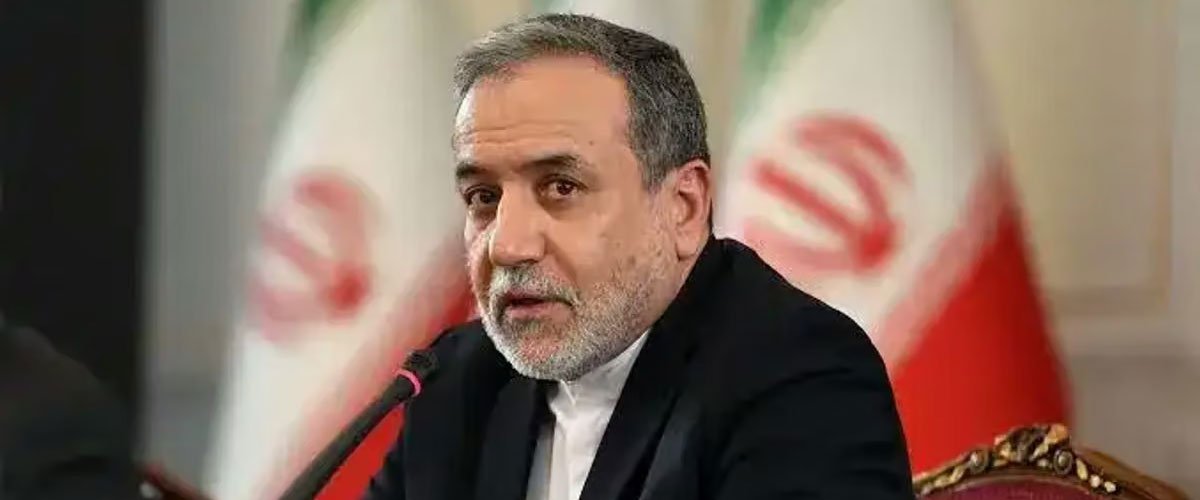
ISLAMABAD: Iranian Foreign Minister Abbas Araghchi said on Saturday that Tehran supports a “political process” to resolve the conflict between Saudi Arabia and Yemen’s Houthi rebels.
The Houthis have repeatedly attacked Saudi targets, including energy facilities and Riyadh’s international airport, where 13 people were killed in a major attack last week.
“We support an inclusive and comprehensive political process as the only practical and sustainable way to resolve the issue,” Araghchi said in a speech at the Organisation of Islamic Cooperation in Baghdad.
Araghchi repeated Iran’s offer to mediate between the two sides. Deputy Foreign Minister Saeed Khatibzadeh previously said Riyadh has not responded to Iran’s overture.
On Friday, Iran denied having anything to do with the Houthi attacks, after Saudi Arabia accused Tehran of encouraging the group’s escalation.
In his speech, Araghchi also said “either we build security together, or we will endure insecurity together,” adding that Tehran was willing “to cooperate with all its brothers and neighbours to achieve the first option”.
The Houthis have repeatedly attacked Saudi airports, oil facilities and tankers after a truce in their long-running war with Yemen’s coalition government unravelled in July.
The conflict between Saudi Arabia and Yemen’s Houthi rebels could be addressed through an inclusive political process involving the warring parties and regional stakeholders. Iran has offered to mediate between Riyadh and the Houthis, with Foreign Minister Abbas Araghchi reiterating Tehran’s support for a negotiated settlement at the Organisation of Islamic Cooperation meeting in Baghdad. Tehran says diplomacy offers the only practical and sustainable way to resolve the conflict, although Saudi Arabia has yet to respond to Iran’s reported mediation offer.
A political settlement would require an end to cross-border attacks, security guarantees for Saudi Arabia and a negotiated framework for addressing Yemen’s internal political divisions. Previous ceasefire efforts have demonstrated the importance of direct engagement, humanitarian arrangements and regional diplomatic support. However, lasting progress would depend on the parties agreeing on mechanisms to prevent renewed hostilities and addressing the Houthis’ place in Yemen’s political future.
Iran’s involvement remains a key regional consideration, as Saudi Arabia has accused Tehran of encouraging Houthi escalation, an allegation Iran denies. Any mediation effort would therefore need to address mutual security concerns and secure commitments against further attacks on Saudi territory and critical infrastructure. Cooperation between Riyadh and Tehran, alongside engagement with the Houthis and Yemen’s internationally recognised government, could help create conditions for a durable ceasefire and a broader political settlement.
