Author

Netanyahu’s Regime-Change Ambitions Threaten World Peace
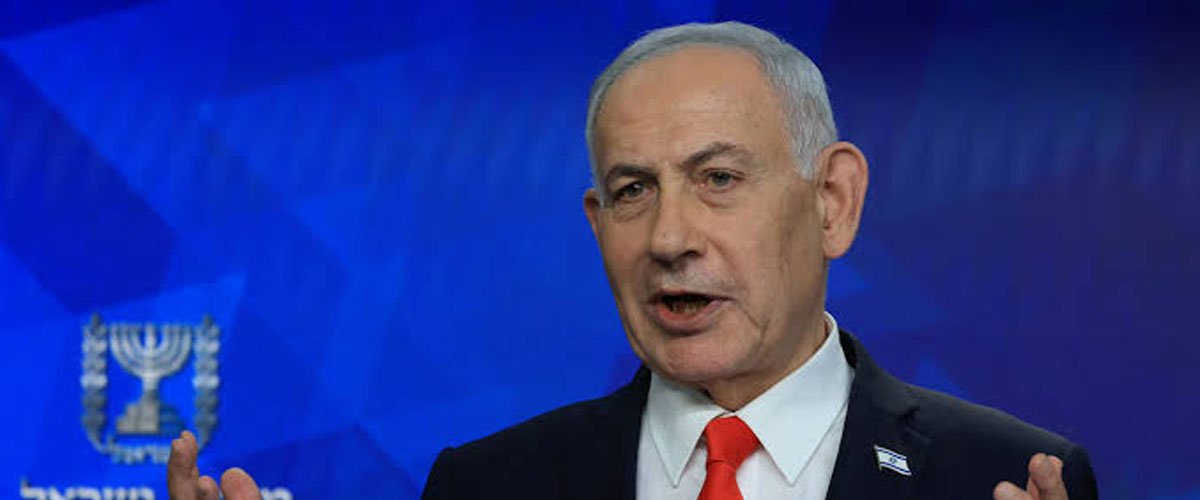
ISLAMABAD: Israeli Prime Minister Benjamin Netanyahu says he spoke with US President Donald Trump on Sunday about the importance of eliminating Iran’s regime, Reuters reports.
“We are committed to completing the elimination of the Iranian regime,” Netanyahu says in a statement released by his office. “I have discussed this with Trump many times, including yesterday.”
Israel’s ambitions towards Iran have expanded amid the military confrontation that began with US-Israeli strikes on Iran in February 2026, followed by Iranian retaliation against Israel and targets in the Gulf. Although concerns over Iran’s nuclear programme and its support for armed groups have long featured in Israeli security policy, pursuing regime change represents a substantially broader objective. It raises questions about whether military force is being used to address specific security threats or to impose a fundamental political transformation on a sovereign state.
The consequences of this approach extend beyond the immediate confrontation between Israel and Iran. Tehran has retaliated against attacks, while the conflict has disrupted regional security and contributed to the effective closure of the strategically vital Strait of Hormuz. The waterway is a major conduit for global oil and liquefied natural gas supplies, making prolonged hostilities a threat to energy markets, international trade and economic stability. Renewed military action could also draw additional regional and international powers into a wider confrontation.
Netanyahu’s insistence on eliminating Iran’s leadership also presents a challenge to diplomatic efforts aimed at ending the conflict. Negotiations between Washington and Tehran have remained stalled amid mutual distrust, disagreements over nuclear restrictions and competing demands concerning sanctions and the US blockade of Iranian ports. Tehran has accused
Washington of pursuing regime change, while Israeli officials have continued to advocate a tougher approach. If the removal of Iran’s government becomes a precondition for peace, rather than a negotiated settlement addressing specific security concerns, the prospects for a durable agreement could diminish further.
The wider concern is that Israel’s pursuit of regional security through military superiority and political transformation could produce greater instability rather than lasting peace. Attempts to overthrow a government through external military pressure carry the risk of prolonged conflict, retaliation and an unpredictable political vacuum. Washington’s continued support for Israel gives the dispute an additional international dimension, increasing the stakes for global powers and neighbouring states. With diplomatic channels still open but fragile, preventing another escalation will require a framework that addresses legitimate security concerns while respecting sovereignty and international law. The alternative is a cycle of military action and retaliation with consequences far beyond the Middle East.