Author

Pakistan’s Mediation Efforts to Revive US-Iran Peace Talks
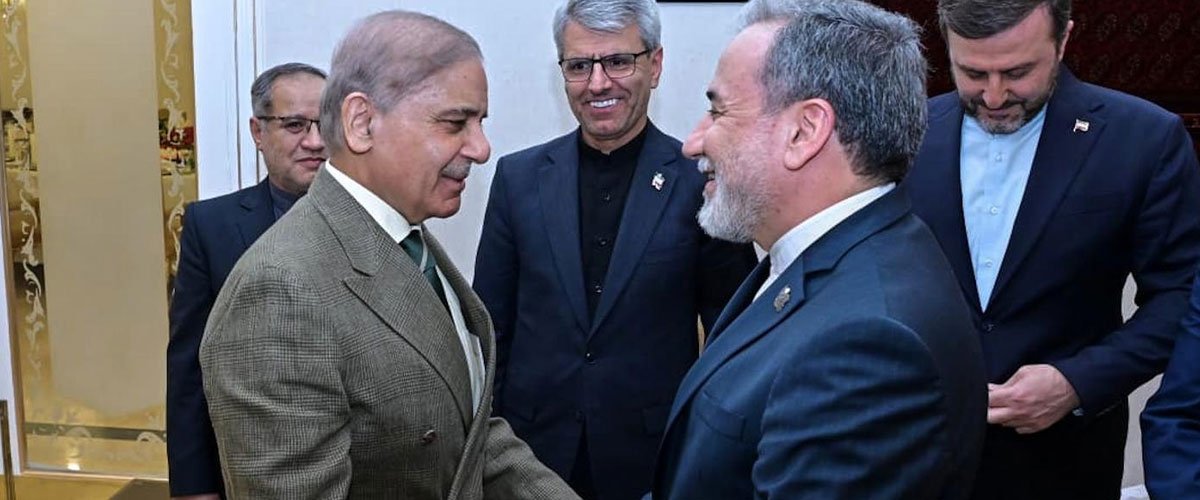
ISLAMABAD: Chief of Defence Forces and Chief of the Army Staff Field Marshal Syed Asim Munir arrived in Tehran on Tuesday with a delegation of officials to meet senior Iranian officials,Iranian Mehr news agency reported.
Earlier, Iranian media reported on Monday that CDF Munir was expected to visit Iran for talks on Pakistan’s diplomatic efforts between the two countries.
According to the Tasnim news agency, He was scheduled to meet Iranian officials to discuss diplomatic efforts to resolve the conflict between Iran and the US, as well as broader regional developments.
Pakistan has played a central mediating role between Washington and Tehran during the conflict, maintaining close contact with both sides. The US and Iran signed the Islamabad Memorandum of Understanding in June, establishing a framework for negotiations toward a final agreement.
However, the talks subsequently broke down over disagreements concerning security guarantees and freedom of navigation through the Strait of Hormuz, a strategic waterway vital to global energy supplies and international trade.
Pakistan has played a central role in diplomatic efforts to end the conflict between Iran and the United States, maintaining contacts with both sides and working alongside Qatar to facilitate negotiations. The initiative gained momentum through high-level political and military engagement, including the involvement of Prime Minister Shehbaz Sharif and Chief of Defence Forces Field Marshal Syed Asim Munir.
The efforts culminated in the signing of the Islamabad Memorandum of Understanding (MoU) by the United States and Iran on June 17–18, 2026, with Pakistan acting as mediator. The agreement provided a framework for ending hostilities, restoring commercial navigation through the Strait of Hormuz and negotiating a comprehensive settlement within 60 days.
Pakistan and Qatar subsequently facilitated the first high-level talks under the agreement at Bürgenstock, Switzerland, on June 21–22. The participating parties agreed to establish a High-Level Committee to oversee the mediation, alongside working groups addressing nuclear issues, sanctions, monitoring and dispute resolution. They also agreed on a roadmap towards a final agreement and a communication mechanism to reduce the risk of incidents in the Strait of Hormuz.
However, implementation of the framework encountered difficulties as disagreements and renewed hostilities undermined the diplomatic process. On July 16, Pakistan’s Foreign Office said the MoU was facing challenges and urged both sides to end the violence and resume technical-level negotiations. Islamabad maintained that the agreement remained a viable framework for a peaceful settlement.
Field Marshal Munir’s visit to Tehran on October 20 comes amid renewed efforts to revive diplomacy and prevent another escalation. His engagement with Iranian officials is aimed at advancing Pakistan’s mediation efforts, with the Strait of Hormuz, regional security and the prospects of renewed US-Iran negotiations remaining central concerns. The visit underscores Islamabad’s continuing attempt to keep communication channels open despite the breakdown of earlier diplomatic understandings.