Author

Pakistan Seeks Stronger Climate Finance and Global Action at COP31
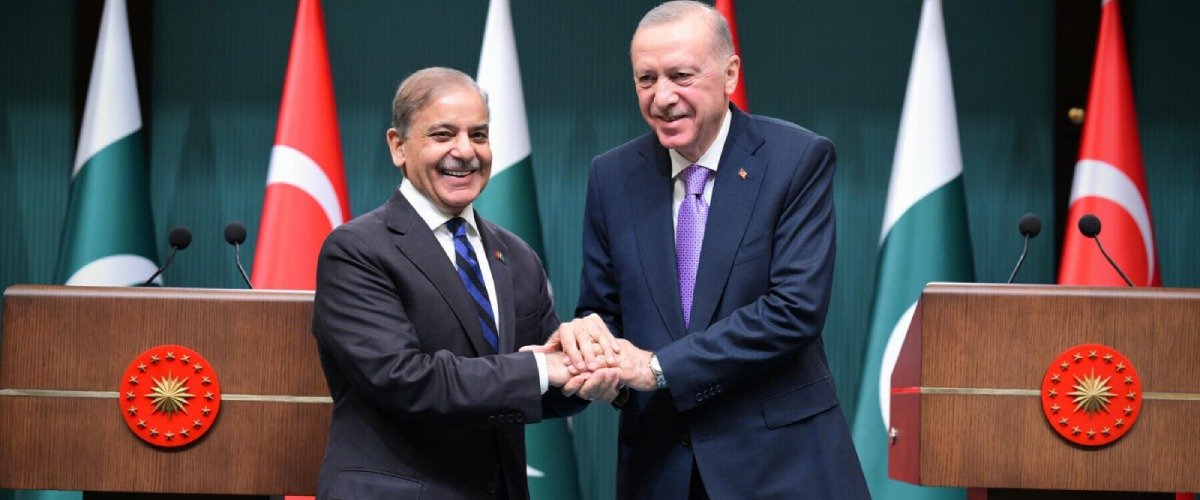
ISLAMABAD: Prime Minister Shehbaz Sharif left for Antalya, Turkiye, on Tuesday for a visit from Nov 10-12 to attend the Leaders’ Summit of the 31st Conference of the Parties (COP 31) to the United Nations Framework Convention on Climate Change (UNFCCC).
The premier is accompanied by PPP leader Sherry Rehman, Information Minister Ataullah Tarar, and the PM’s adviser Tariq Fatemi, a statement by the Prime Minister’s Office (PMO) said.
The premier will address the summit on Nov 11, during which he will urge the global community to take concrete actions to address the threat posed by climate change to the planet, the Foreign Office (FO) said earlier.
He will highlight “Pakistan’s steps towards rapid solarisation and expansion of its renewable energy capacity, as part of its transition towards a cleaner and more resilient economy, along with its efforts to strengthen disaster preparedness and early-warning systems”, the FO statement said.
Pakistan’s participation in the 31st Conference of the Parties (COP31) to the United Nations Framework Convention on Climate Change (UNFCCC) comes at a time when climate change is increasingly shaping international politics, development priorities and relations between industrialised and developing countries. Islamabad has consistently argued that countries contributing least to global greenhouse gas emissions often bear a disproportionate share of the consequences of climate change. Pakistan’s experience of devastating floods, extreme temperatures, water scarcity and recurring climate-related disasters has strengthened its position within the developing world’s demand for climate justice, greater financial assistance and technology transfer. Its central diplomatic challenge is to translate international recognition of its vulnerability into concrete financial commitments and support for adaptation.
At COP31, being hosted by Türkiye in Antalya from November 9 to 20, climate finance, adaptation and the implementation of existing international commitments are expected to remain important areas of negotiations. The conference has a distinctive political arrangement, with Türkiye holding the presidency while Australia chairs the negotiations, following a compromise over competing bids to host the summit. The arrangement also reflects the growing importance of consensus-building in international climate diplomacy. For Pakistan, the conference provides an opportunity to work with other climate-vulnerable developing countries to press for predictable and accessible financing, particularly for disaster resilience, rehabilitation, infrastructure protection and early-warning systems. The wider debate concerns whether developed economies will translate their climate commitments into adequate financial resources for countries facing mounting climate-related losses.
Pakistan is also seeking to demonstrate that it is not merely approaching climate negotiations as a recipient of international assistance but is undertaking its own energy transition and resilience initiatives. Its emphasis on rapid solarisation and expanding renewable energy capacity reflects an effort to reduce dependence on imported fossil fuels, improve energy security and move towards a cleaner economy. The country is also strengthening disaster preparedness and early-warning systems, recognising that climate adaptation requires investment in institutional capacity, infrastructure and local communities. These initiatives provide Islamabad with an opportunity to connect its domestic development priorities with the broader international climate agenda, particularly discussions on clean energy transition, climate-resilient cities and adaptation financing.
Pakistan’s role at COP31 will therefore extend beyond presenting its national climate priorities. As a member of the developing-country coalition demanding equitable climate financing, it has a stake in shaping the political debate over historical responsibility, the obligations of industrialised economies and the distribution of resources for climate adaptation. The challenge is to ensure that climate diplomacy moves beyond declarations and produces accessible funding, technology partnerships and practical cooperation. Prime Minister Shehbaz Sharif’s address on November 11 will offer an opportunity to underline Pakistan’s position that climate change is not simply an environmental concern but a question of economic justice, development and international responsibility.